
TL;DR:
- Stair safety improvements like better lighting, visible edges, and sturdy handrails can significantly reduce fall risks in UK homes.
- Most effective solutions are low-cost, easy to implement, and can be customized to individual needs, supporting independence and confidence.
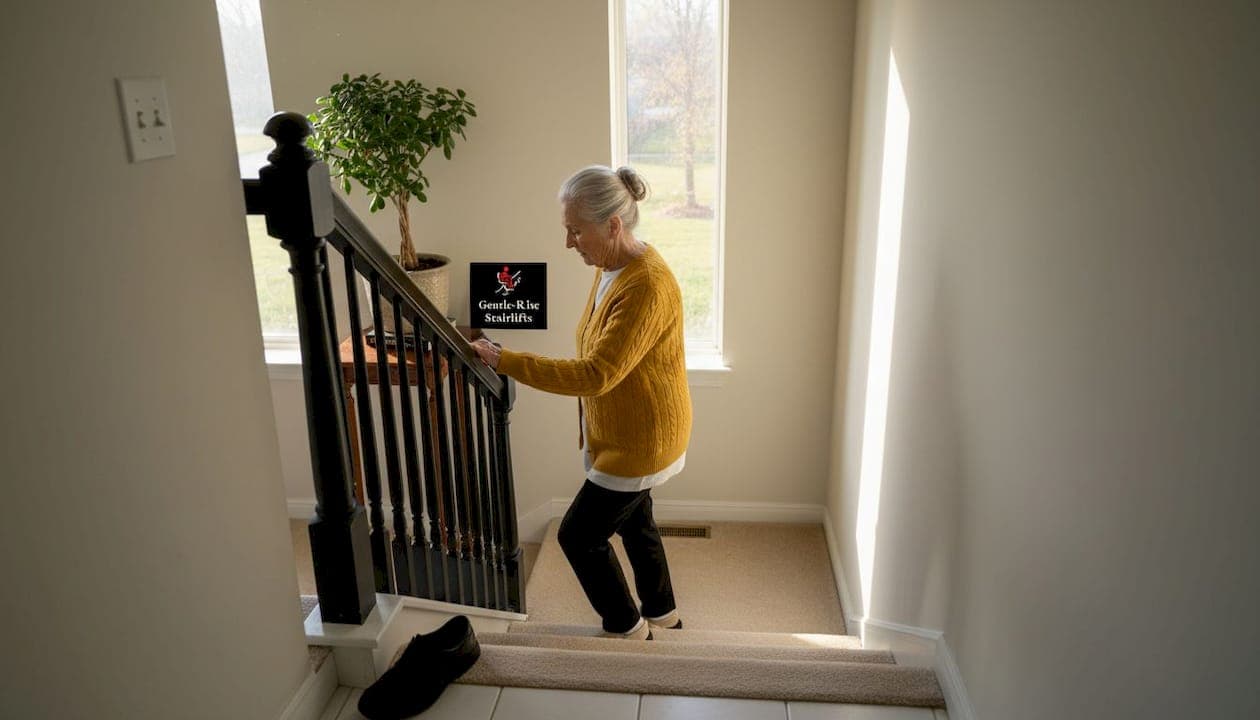
Stairs are one of the most dangerous features in any UK home, particularly for older adults and those with reduced mobility. Each year, thousands of older people experience serious injuries from stair-related falls, many of which could have been prevented with relatively simple changes. The challenge is not just identifying the hazards — it is knowing which improvements genuinely matter, which are worth the cost, and how to make them stick. Alzheimer's Society guidance highlights that making stair edges visible, fitting sturdy handrails, improving lighting, and removing clutter are the most important starting points for safer stairs at home.
Table of Contents
- How to assess your stairs: Key risks and criteria
- Top 5 evidence-backed stair safety upgrades
- Comparing stair safety solutions: Ease, cost, and impact
- Overcoming barriers: Support for installing stair improvements
- The uncomfortable truth: Most stair safety advice is ignored unless it feels easy and normal
- Need expert help? Get truly safe stairs without hassle
- Frequently asked questions
Key Takeaways
| Point | Details |
|---|---|
| Prioritise visibility and support | Most stair falls result from poor lighting, worn carpet, or lack of easy-grip handrails. |
| Low-cost, low-disruption works best | Simple upgrades like nosing tape and LED lights often have the biggest impact. |
| Clear guidance boosts adoption | Professional advice and peer support make it easier to implement safety changes. |
| Individual needs matter | Choosing the right stair solution depends on your risks and lifestyle, not just checklists. |
How to assess your stairs: Key risks and criteria
Before spending a penny on upgrades, it pays to look at your own staircase with fresh eyes. Many hazards are hiding in plain sight, yet because we use the same stairs every day, they stop registering as risks. A proper assessment is the first practical step toward genuinely safer stair navigation.
The most important things to check are:
- Step edge visibility: Can you clearly see where one step ends and the next begins? Poor contrast is a common cause of missteps, particularly in dim light.
- Handrail stability: Grip both handrails firmly and test for wobble. A handrail that shifts even slightly could fail when you need it most.
- Lighting quality: Is there a shadow halfway up the stairs? Are the top and bottom landings well lit?
- Flooring condition: Look for frayed carpet edges, loose tiles, or slippery surfaces. Patterned or distracting coverings and poor visibility of step edges can increase missteps significantly.
- Clutter: Even one misplaced item — a shoe, a bag, a parcel — can be enough to cause a serious fall.
One thing that often gets overlooked is the role that aesthetics play in delaying safety decisions. Many people avoid adding nosing strips or repainting step edges because it "changes the look" of the staircase. Function must come before appearance, especially when the stakes are this high. Thinking about modifying stairs for independence early — before problems develop — puts you in a far stronger position.
Pro Tip: Walk your stairs slowly with a torch during the day with curtains partially closed. This mimics the lighting conditions that cause the most falls and quickly reveals dark tread areas or steps where contrast is too low to be safe.
Top 5 evidence-backed stair safety upgrades
With the main risks identified, you can focus your energy and budget where it matters most. The following five upgrades are the most effective, accessible interventions for UK homes. Some are very low cost. Some take less than an afternoon to install. All of them make a measurable difference.
-
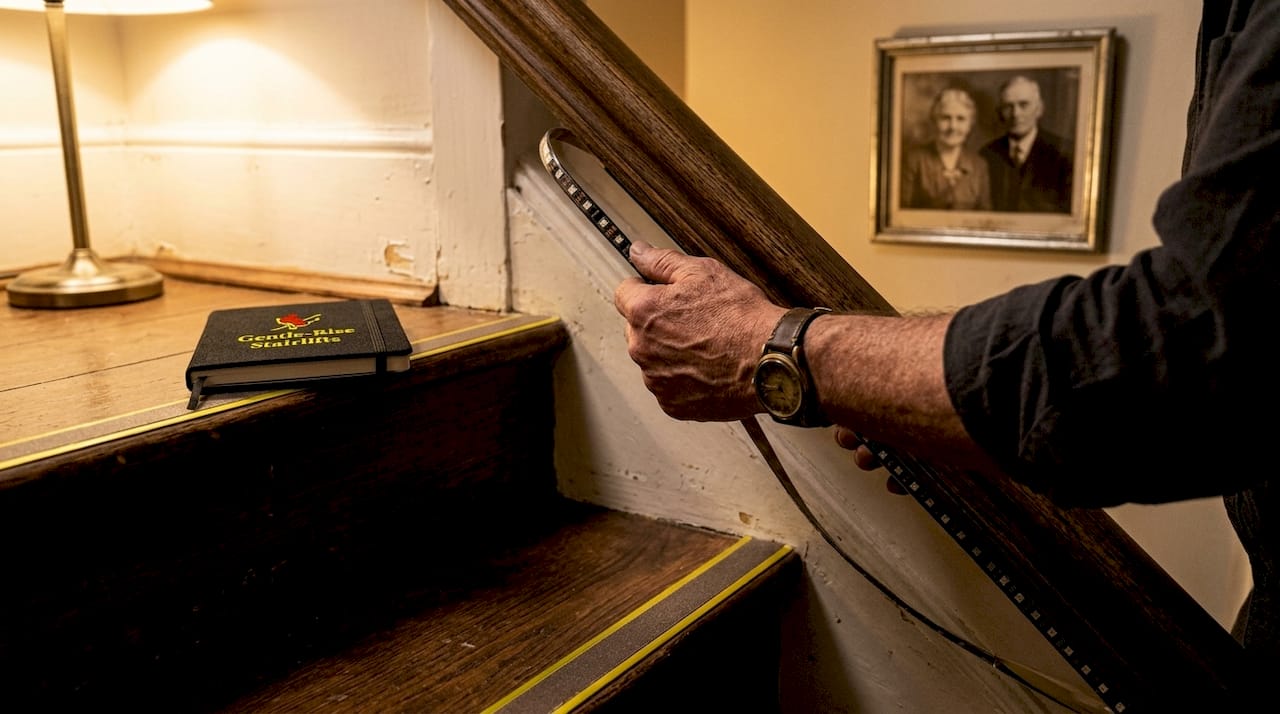
Make step edges clearly visible. Painting step noses in a contrasting colour or fitting proprietary stair nosing strips (often in bright yellow, white, or black) immediately improves depth perception on a staircase. This single change can make a significant difference for anyone with reduced vision or cognitive changes. Nosing tape for a full staircase can cost as little as £10 to £20 and takes under an hour to fit.
-
Fit sturdy, easy-grip handrails on both sides. A single handrail is better than none, but both sides is the gold standard. If your existing handrail is round or difficult to grip, consider replacing it with a D-shaped or oval profile rail that fits comfortably in the hand. Timber or rubber-coated rails tend to offer more friction than polished metal.
-
Install brighter, well-placed lighting. This is consistently one of the most popular and effective interventions. Motion-sensor LED lights installed at the top and bottom of the staircase provide instant illumination without requiring you to remember to switch anything on. Night lights plugged into hall sockets are another simple addition. Bright, even lighting reduces the risk of misreading step depth at any hour.
-
Replace worn, patterned, or slippery floor coverings. Old carpet can become spongy, frayed, or difficult to read visually. Patterned carpets make it harder to judge where steps begin and end. If full replacement is not immediately possible, prioritise securing any loose edges and removing trip hazards. Plain, light-coloured carpet on treads provides much better contrast and grip than dark or complex patterns.
-
Keep stairs completely free from clutter. This sounds obvious, but it requires ongoing effort. Designate a basket for items that need carrying up or down, rather than leaving them on individual steps. Communicate this rule clearly with everyone in the household.
"Many stair-fall prevention interventions are not well known to older adults and are adopted when they are low-disruption and cost-effective, and endorsed with clear practical guidance. The most acceptable options included improved lighting and additional handrails."
That finding is important. It tells us that knowing about an option, understanding why it works, and being shown a simple way to implement it are the three ingredients that actually lead to change. Exploring simple solutions for safer stairs in detail can help bridge that gap between knowing and doing. For a more thorough walkthrough, a stairway adaptation guide covers a wide range of practical modifications with step-by-step detail.
Pro Tip: A single LED motion-sensor light strip fitted under the handrail, pointing downward at the treads, can cost under £15 and transforms stair safety at night. It is one of the highest-impact, lowest-effort changes available.
Comparing stair safety solutions: Ease, cost, and impact
After covering the top upgrades, it is vital to weigh which solutions suit your home and personal situation. Not every household has the same budget, the same type of staircase, or the same level of mobility need. The table below offers a practical comparison to help you set priorities.
| Solution | Average cost (£) | Ease of installation | Disruption level | Safety impact |
|---|---|---|---|---|
| Stair nosing strips | £10 to £30 | Very easy (DIY) | Very low | High: improves edge visibility immediately |
| LED motion-sensor lighting | £15 to £60 | Easy (DIY or electrician) | Very low | High: eliminates low-light risk |
| Additional handrail (one side) | £80 to £250 | Moderate (professional recommended) | Low | Very high: critical grip and balance support |
| Handrails both sides | £150 to £500 | Moderate (professional recommended) | Low | Very high: gold standard for balance |
| Carpet replacement | £200 to £800+ | Professional required | Moderate | High: eliminates slip and trip hazards |
| Stairlift installation | £795 and above | Professional (same day) | Low to moderate | Transformative: removes stair navigation entirely |
The most acceptable interventions found in research into community-dwelling older adults were education and skill training, improved staircase lighting, and additional handrails. These are also the options that cluster in the lower-cost, lower-disruption end of the table above. That alignment is useful: what research confirms as effective tends also to be what households can realistically adopt without major upheaval.
It is worth noting that a stairlift sits in a different category from the other items. Rather than making stairs safer to walk, it removes the need to walk them at all. For someone with significant mobility limitations, this can be genuinely transformative rather than just incrementally helpful. Exploring affordable stair safety options in full helps put these costs in perspective relative to the risk of a fall and the associated medical or care costs.
Personalising your approach matters enormously. A 70-year-old who is fit and active needs different support from an 85-year-old with balance difficulties. A caregiver visiting regularly can help monitor and maintain these solutions, but the primary user's confidence and comfort with each change should always guide the decision.
Overcoming barriers: Support for installing stair improvements
Once the options are clear, many families still face real hurdles before taking action. Understanding these barriers honestly is the first step to getting past them.
The most common obstacles include:
- Cost concerns: Many people assume stair safety upgrades are expensive. In reality, several of the most effective measures cost under £30 and require no professional installation at all.
- Reluctance to alter the home: A long-standing family home feels personal, and making physical changes can feel like accepting decline. This is a deeply human reaction, not stubbornness.
- Social stigma: There is still a perception that grab rails or stairlifts are "old person things." This stigma actively delays safety decisions and puts people at greater risk.
- Not knowing where to start: Without trusted guidance, families often defer action indefinitely.
"Care adoption can be hindered by stigma and reluctance to alter the home. Practical, low-disruption solutions like lighting and handrails, combined with education and professional endorsement, are more likely to be accepted."
The role of professional endorsement should not be underestimated. When a GP, occupational therapist, or trusted installer recommends a specific change, the uptake rate increases substantially compared to self-guided advice. Local authority housing teams can sometimes fund or subsidise stair adaptations through Disabled Facilities Grants (DFGs), which can cover significant costs for eligible homeowners or tenants.
An honest conversation between caregivers and their loved ones, framed around maintaining independence rather than managing decline, tends to land much better. Looking at an accessibility upgrade guide together, or reading up on choosing stair mobility aids as a family, can open the conversation naturally without it feeling forced.
The uncomfortable truth: Most stair safety advice is ignored unless it feels easy and normal
Here is something we have seen repeatedly in our work across UK homes: the vast majority of stair safety improvements only happen after a fall or a near-miss. That is not a criticism of families or individuals. It is a deeply human pattern. We accept risks we live with every day because familiarity breeds complacency, and because changing a familiar environment can feel like admitting something we are not ready to admit.
The real problem is not a lack of information. Most people broadly know that better lighting and firmer handrails are good ideas. The barrier is emotional, not practical. A stylish handrail that looks intentional rather than medical, a lighting upgrade framed as a home improvement rather than a safety measure, and a stairlift that preserves dignity rather than highlighting limitation — these reframes change behaviour far more reliably than a list of statistics.
We also think there is an important conversation happening around dignity and independence that the safety sector does not always handle well. Nobody wants to feel as though their home is being turned into a care facility. The best solutions are the ones that feel integrated, chosen, and personal rather than imposed or clinical.
Carers play a vital role here. Rather than presenting safety upgrades as urgent necessities driven by fear, framing them as practical tools that support independence tends to be far more persuasive. Thinking through mobility planning insights as a proactive rather than reactive exercise is a genuinely different and more effective approach.
Safety is not just a checklist. It is about preserving someone's right to move through their own home with confidence. That framing changes everything.
Need expert help? Get truly safe stairs without hassle
If reading through these options has made you realise it is time to take action, you do not have to work it all out alone.

At Gentle Rise Stairlifts, we help elderly individuals and their families across the UK find practical, affordable routes to safer stair navigation. Whether that means a professionally fitted stairlift starting from just £795, a rental option for short-term needs, or guidance on complementary home modifications, our team makes the process straightforward from the very first conversation. We offer free home surveys with no obligation, and our Protect+ aftercare plan means your solution keeps working reliably for years to come. Contact us today to arrange your free survey and take the first step toward a safer, more confident home.
Frequently asked questions
What is the most important stair safety upgrade for the elderly?
Sturdy, easy-grip handrails on both sides of the staircase and clearly visible step edges are experts' top priorities, as these address the two most common causes of stair-related falls.
How can I improve stair safety if I cannot afford major changes?
Start with low-cost measures such as nosing tape, motion-sensor lighting, and clearing clutter, as research confirms improved lighting and handrails are among the most impactful and widely accepted options.
Can a stairlift make my stairs safer, and how do I choose one?
A professionally installed stairlift removes the need to navigate stairs on foot entirely, drastically reducing fall risk. There are many guides available to help you select the right model based on your staircase type and budget.
Who can help with stair safety checks and modifications?
Occupational therapists, local authority housing teams, and reputable stairlift and adaptation companies can all provide professional assessments, practical advice, and in some cases funded support through schemes like the Disabled Facilities Grant.
What are the best ways to encourage a loved one to accept stair safety changes?
Frame changes around maintaining independence rather than managing decline, involve them in choosing solutions, and seek professional recommendations, since endorsement from trusted professionals significantly increases the likelihood of acceptance.