
TL;DR:
- Stairlifts significantly reduce falls and promote independent living for seniors.
- Proper assessment and choosing reputable suppliers ensure safety and long-term reliability.
- Ongoing maintenance, grants, and VAT relief can make accessibility upgrades more affordable.
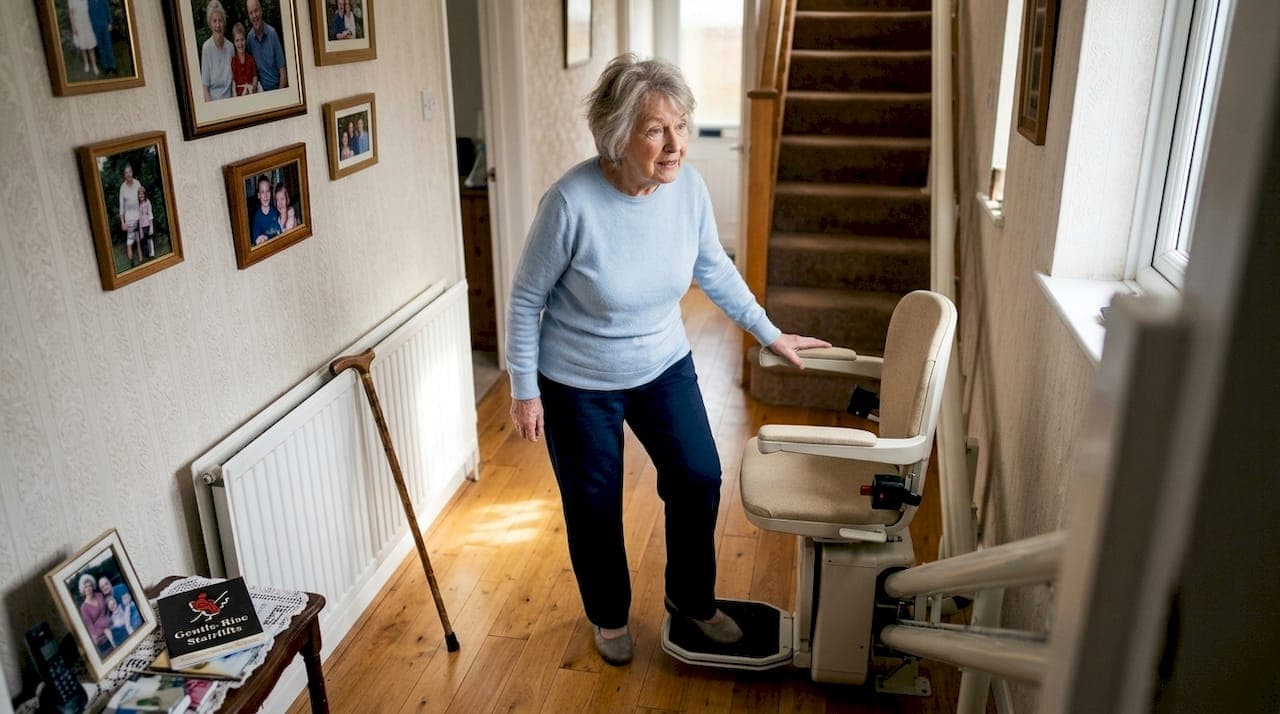
Stairs are one of the most dangerous features in any home, and the numbers are sobering. Stair falls account for over 20% of all home falls among UK residents aged 65 and over, contributing to more than 850 deaths each year. For older adults or anyone recovering from surgery, that risk is very real. The good news is that targeted accessibility upgrades, particularly stairlifts, can dramatically reduce the danger and help people stay independent in their own homes. This guide walks you through everything you need to know, from choosing the right modifications to understanding costs and finding reliable suppliers.
Table of Contents
- How to choose accessibility upgrades for your home
- Essential accessibility upgrades: from stairlifts to handrails
- Comparing top stairlift brands and suppliers
- Installation and maintenance: what to expect and how to stay safe
- Costs, grants and VAT relief: what are your options?
- A realistic perspective on home accessibility upgrades
- Upgrade your home's safety with expert support
- Frequently asked questions
Key Takeaways
| Point | Details |
|---|---|
| Prioritise stair safety | Stair modifications, especially stairlifts, significantly reduce falls and fatalities for elderly and less-mobile residents. |
| Expert installation matters | A professionally installed and maintained stairlift ensures ongoing safety, reliability and insurance compliance. |
| Explore funding options | Grants, VAT relief, and reconditioned stairlifts can make accessibility upgrades more affordable for UK homeowners. |
| Compare trusted brands | Not all stairlift providers offer the same warranties or service, so research brands and supplier reputations carefully. |
| Plan for future needs | Choose upgrades with flexibility and long-term independence in mind, not just current accessibility challenges. |
How to choose accessibility upgrades for your home
The first step is not to rush out and buy the most expensive solution you can find. Start by walking through the home and identifying where the real risks are. Stairs are usually the priority, but narrow doorways, slippery bathroom floors, and poor lighting all contribute to accidents. Rank each hazard by how often the resident encounters it and how severe a fall there would be.
Once you have a clear picture of the risks, match each one to a realistic upgrade. A stairlift addresses the staircase directly. Grab rails tackle the bathroom. Better lighting reduces night-time trips. Prioritising by impact means your budget goes where it matters most.
Before committing to any product, ask yourself these key questions:
- Does the resident need the upgrade permanently or temporarily, for example after a hip replacement?
- Is the staircase straight or curved? This affects both product choice and cost significantly.
- What is the maximum weight capacity required?
- Is there a power socket near the base or top of the stairs?
- Who will provide aftercare and servicing once the product is installed?
Planning for future needs and getting several quotes are two of the most important steps you can take before signing any agreement. Needs change, and a stairlift that suits someone today may need upgrading in a few years. Choosing a supplier who offers flexible options, including rental and reconditioned models, gives you room to adapt. You can explore affordable stairlift solutions that fit a range of budgets and property types.
Pro Tip: Involve the person who will use the stairlift in every decision. Their comfort, confidence, and daily routine should shape the final choice, not just the floor plan.
Essential accessibility upgrades: from stairlifts to handrails
Now that you know how to review your needs, here is a list of the most effective upgrades to consider. Each one targets a specific risk and, when combined, they create a genuinely safer living environment.
Home adaptations including stairlifts are proven to cut falls and support independent living for older adults. Here is a breakdown of the core modifications and what each one offers:
- Stairlifts (seated and standing models): The most direct solution for stair-related falls. Seated models suit most users; standing or perch lifts work for those who find it difficult to bend at the knee.
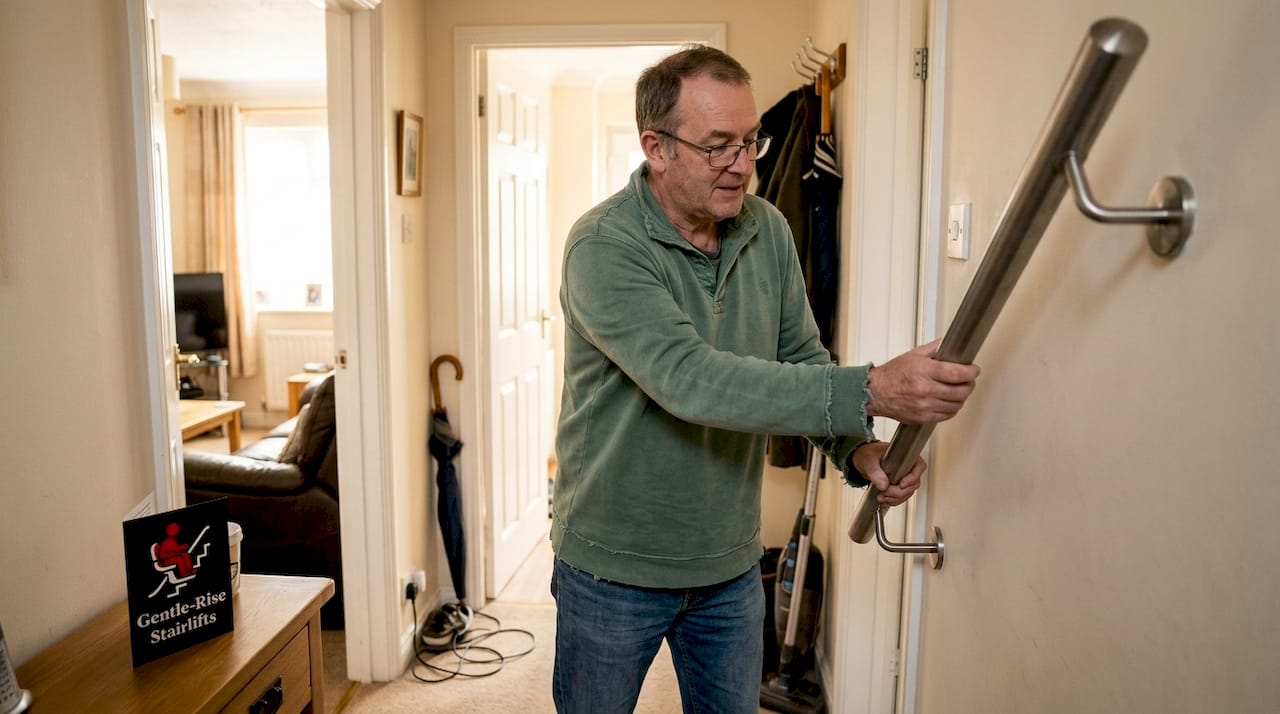
- Handrails and grab rails: Low-cost, high-impact additions for stairs, hallways, and bathrooms. Double handrails on both sides of a staircase are particularly effective.
- Non-slip stair treads: Adhesive strips or fitted carpet grips reduce the risk of slipping, especially on wooden or tiled stairs.
- Improved lighting: Motion-sensor lighting on landings and stairways removes the danger of navigating in the dark.
- Threshold ramps: Small ramps over door thresholds help wheelchair and frame users move freely between rooms.
"A stairlift does more than prevent falls. It removes the anxiety around using the stairs, which in turn reduces social isolation and keeps people connected to the whole of their home."
Exploring affordable home mobility solutions alongside a stairlift gives you a layered approach to safety, where each upgrade reinforces the others. Think of it as building a safety net, not just fitting a single product.
Comparing top stairlift brands and suppliers
Once you have pinpointed priority upgrades, choosing a reputable stairlift provider is crucial. The market includes both large manufacturers and independent suppliers, each with different strengths.
Brands such as Stannah, Acorn, Handicare, and Brooks are well-established and reliable. Independent suppliers often offer more flexibility on price and can source reconditioned models. The table below gives a quick comparison to help you weigh up your options.
| Brand/type | Reliability | Typical price range | Warranty | Extra services |
|---|---|---|---|---|
| Stannah | Very high | £2,000 to £4,500 | 12 months standard | Servicing plans, rentals |
| Acorn | High | £1,500 to £3,500 | 12 months standard | Buy-back available |
| Handicare | High | £1,800 to £4,000 | 12 months standard | Curved specialists |
| Brooks | High | £1,500 to £3,200 | 12 months standard | Reconditioned range |
| Independent supplier | Variable | £795 to £2,500 | Check carefully | Flexible, reconditioned |
Manufacturer-direct suppliers offer the reassurance of brand support and standardised parts. Independent suppliers, when reputable, can offer significant savings, especially on reconditioned lifts. However, always avoid any supplier who cannot provide a clear warranty. A stairlift without a warranty is a liability, not an asset.
If you want to see how different stairlift provider alternatives compare, or need guidance on choosing between best hand control stairlifts, there is plenty of detailed guidance available to help you narrow down the shortlist.
Pro Tip: If the stairlift is only needed for a few months after surgery, ask suppliers about buy-back schemes. Some will purchase the unit back from you at an agreed price, which makes short-term use far more cost-effective.
Installation and maintenance: what to expect and how to stay safe
After choosing your supplier, the next stage is a smooth and safe installation, followed by ongoing care to keep your stairlift reliable. Professional installation reduces risks significantly, and annual servicing is essential for long-term safety.
Here is what the process typically looks like:
- Home survey: A qualified engineer visits to measure the staircase and assess the property.
- Quote and confirmation: You receive a written quote covering installation, warranty, and aftercare.
- Installation day: Most straight stairlifts are fitted within two to four hours. Curved models may take longer.
- Demonstration: The engineer shows the user how to operate the lift safely before leaving.
- Post-fit check: A follow-up call or visit confirms everything is working correctly.
For a detailed walkthrough, the stairlift installation guide covers each stage in full. Once installed, regular servicing is not optional if you want the unit to remain safe and your warranty to stay valid.
| Service type | Recommended frequency | Typical cost |
|---|---|---|
| Full service and safety check | Annually | £80 to £150 |
| Battery replacement | Every 2 to 3 years | £30 to £60 |
| Emergency call-out | As needed | £60 to £120 |
| Extended maintenance plan | Annual subscription | £100 to £200 |
Only use certified installers who comply with current British safety standards. For ongoing care advice, the stairlift maintenance tips resource is an excellent starting point.
Costs, grants and VAT relief: what are your options?
A final consideration is how to pay for your chosen upgrades and where to get help with costs. Stairlifts represent a significant outlay for many families, but there are several ways to reduce the financial burden.
Key funding options to explore include:
- Disabled Facilities Grant (DFG): Available from your local council, this means-tested grant can cover up to £30,000 for eligible home adaptations including stairlifts.
- VAT relief: If the user has a long-term disability or chronic illness, stairlifts and other mobility aids are zero-rated for VAT, which saves 20% immediately.
- Charity support: Organisations such as Turn2Us and local Age UK branches can point you towards additional funding sources.
- Reconditioned stairlifts: A quality reconditioned model can cost significantly less than a new one, often starting around £795, without sacrificing safety.
- Rental schemes: Short-term rentals are ideal for post-surgery recovery and avoid the full purchase cost entirely.
Grants and VAT relief exist but are not guaranteed for every situation, and eligibility depends on individual circumstances. Always apply directly through your local authority or a registered charity rather than through a third-party agent who charges a fee. Be cautious of online adverts promising accessibility funding and relief with no eligibility checks. Genuine grants require an assessment process.
For a full overview of what is available and how to access it, the guide to affordable stairlift solutions covers the most common routes to financial support in plain language.
A realistic perspective on home accessibility upgrades
There is a tempting assumption that once a stairlift is fitted, the job is done. In our experience, that thinking leads to problems. A stairlift is not a set-and-forget appliance. It is a safety-critical piece of equipment that needs regular attention, just like a boiler or a car.
True accessibility is a process. The resident's needs will change over time. A lift that works well today may need adjustment after a further health change. The supplier relationship matters as much as the product itself. A company that answers the phone quickly, offers fair servicing contracts, and responds to emergencies is worth paying a little more for upfront.
"The best stairlift is not the cheapest one or the most expensive one. It is the one that still works reliably three years after installation, backed by a supplier who still picks up the phone."
We also encourage families to think beyond compliance and towards daily quality of life. A well-chosen holistic mobility solution restores confidence, reduces anxiety, and genuinely improves how someone experiences their own home every single day.
Upgrade your home's safety with expert support
Now that you are armed with the key facts and options, taking the next step is straightforward. At GentleRise Stairlifts, we specialise in helping UK homeowners find the right stairlift at a price that works for them, whether that is a brand-new straight lift, a curved model, or a quality reconditioned unit.
Our team offers free home surveys with no obligation, so you can get accurate advice before committing to anything. You can check stairlift costs for a clear breakdown of pricing, or explore our range of reconditioned stairlifts if budget is your primary concern. Get in touch today and let us help you make your home safer, without the stress.
Frequently asked questions
What is the most important home accessibility upgrade for safety?
A stairlift is often the single most impactful upgrade, as stairs cause over 20% of serious falls among UK residents aged 65 and over. Addressing the staircase directly removes the most common source of serious injury.
Can I get help with the cost of a stairlift or home modification?
Grants and VAT relief are available for eligible UK homeowners, but approval depends on individual circumstances and is not automatic. Always apply through your local council or a registered charity.
How can I make sure my stairlift stays safe and reliable?
Arrange professional installation and annual servicing to keep your stairlift safe, compliant, and under warranty. Skipping annual checks is the most common reason stairlifts fail unexpectedly.
Are reconditioned stairlifts a good option?
Yes, particularly for short-term needs, but always verify the warranty, check the supplier's reputation, and ask about buy-back policies before purchasing. A reputable reconditioned lift can offer excellent value.
Is installation of accessibility features disruptive?
Most straight stairlift installations are completed within a few hours with minimal disruption. Complex curved staircases or older properties with unusual layouts may require additional preparation time.