
TL;DR:
- Adaptive home mobility offers practical, affordable solutions like stairlifts and grab rails to improve safety.
- Funding options such as Disabled Facilities Grants and VAT relief can significantly reduce adaptation costs.
- Early assessment and small safety improvements can make homes safer and more accessible immediately.
Many UK homeowners assume that making their home safer for mobility challenges means expensive building work, months of disruption, and a mountain of paperwork. The reality is quite different. Adaptive home mobility covers a wide range of practical, affordable solutions that can transform daily life without tearing your home apart. From stairlifts to grab rails, the options are more accessible than most people realise. This guide explains what adaptive home mobility means, which solutions suit typical UK homes, how to fund them, and how to start making improvements today.
Table of Contents
- What does adaptive home mobility mean?
- Key options for adaptive home mobility in the UK
- Understanding the costs and funding for adaptations
- How to make your home safer and more accessible today
- The real reason most UK homes remain inaccessible (and what you can do differently))
- Finding the right stairlift for your home (and how we can help))
- Frequently asked questions
Key Takeaways
| Point | Details |
|---|---|
| Clear definition | Adaptive home mobility means modifying your home to support independence and safety, especially using stairlifts. |
| Practical solutions | Stairlifts and other adaptations can greatly improve movement and quality of life for UK homeowners. |
| Funding support | Grants, VAT relief, and some free adaptations make home mobility improvements more affordable than most realise. |
| Immediate action | You can start making your home safer today with simple, quick adaptations even while seeking funding for bigger changes. |
| Be proactive | Applying early and considering flexible options like reconditioned stairlifts helps avoid delays and boosts your independence sooner. |
What does adaptive home mobility mean?
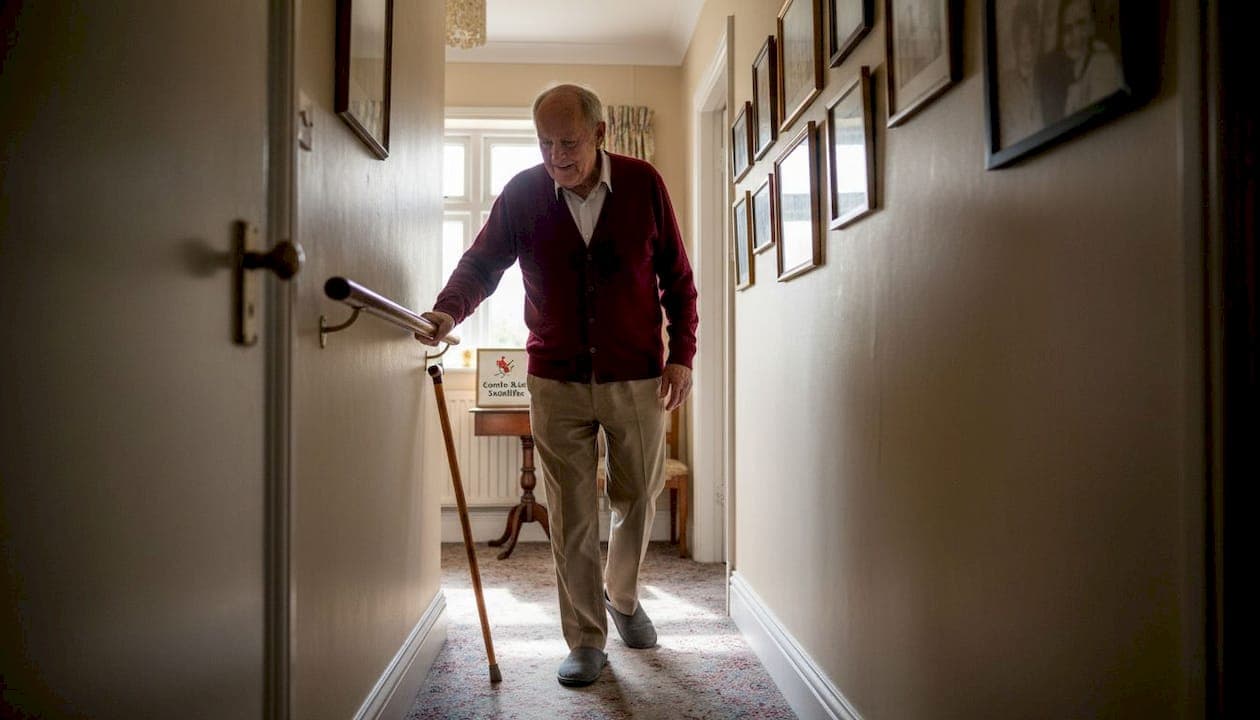
The phrase sounds technical, but it simply describes the practical changes you make to your home so that moving around safely becomes easier. There is no strict official definition, but in everyday terms, adaptive home mobility refers to home adaptations and assistive technologies that enable independent mobility for UK homeowners with mobility challenges.
Think about the moments in your day that feel risky or exhausting. Climbing the stairs first thing in the morning. Reaching the bathroom safely at night. Carrying a cup of tea from the kitchen without gripping the wall for balance. These are not minor inconveniences. Over time, they chip away at confidence and independence.
Adaptations tackle these challenges head-on. They range from very simple fixes to more involved installations:
- Grab rails and handrails fitted in bathrooms, hallways, and on stairs
- Anti-slip flooring or tape on steps and wet areas
- Raised toilet seats and bath lifts for bathroom safety
- Stairlifts for safe, effortless movement between floors
- Step lifts and through-floor lifts for more complex layouts
- Ramps replacing steps at entrances
Stairlifts stand out as one of the most effective and practical adaptations for UK homes. They are installed without structural changes, work on most stair layouts, and restore access to the whole house rather than confining you to one floor. You can explore a broader overview of mobility aids for independence to understand how stairlifts fit alongside other assistive options.
"The best adaptation is the one that removes the barrier you face every single day. For most people with a two-storey home, that barrier is the stairs."
Pro Tip: Do not wait until a fall or injury forces your hand. Assessing your home early gives you more time to choose the right solution calmly, rather than rushing into a decision under pressure.
Adaptive home mobility is not about admitting defeat. It is about staying in the home you love, on your own terms, for as long as possible.
Key options for adaptive home mobility in the UK
Having defined adaptive home mobility, the next step is to explore which practical solutions really work for typical UK homes. Not every adaptation suits every property or budget, so it pays to compare your main choices before committing.
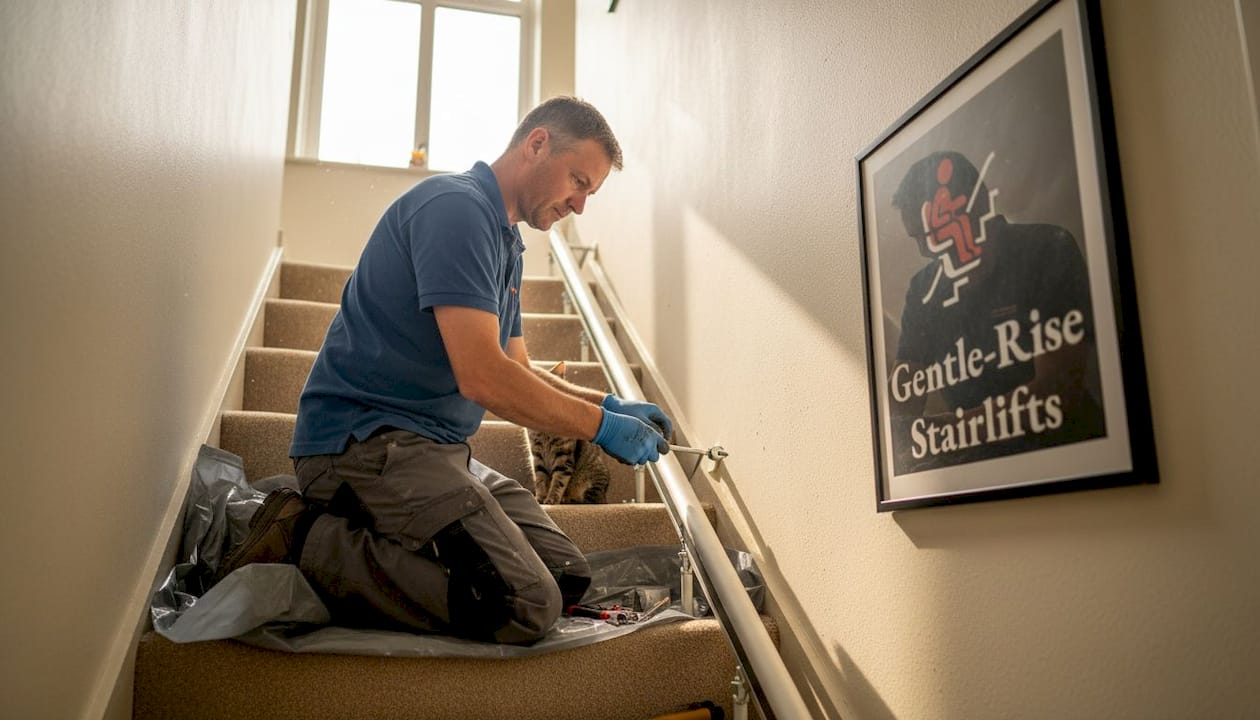
Stairlifts are among the most accessible and affordable home adaptations for mobility. They install quickly, often within a single day, and require no major building work. Reconditioned models can bring costs down significantly, making them a realistic choice even on a tight budget.
Here is a straightforward comparison of the most common options:
| Adaptation | Typical cost | Installation disruption | Best suited for |
|---|---|---|---|
| Straight stairlift | From £795 | Minimal, hours | Most two-storey homes |
| Curved stairlift | From £2,500 | Minimal, one day | Homes with bends or landings |
| Reconditioned stairlift | From £595 | Minimal, hours | Budget-conscious buyers |
| Through-floor lift | £4,000 to £8,000+ | Moderate, structural work | Severe mobility limitations |
| Ramp installation | £300 to £2,000+ | Low to moderate | Entrance steps |
| Grab rails | £50 to £200 | Very low, hours | All homes as a first step |
You can also read about stairlift alternatives if you want a fuller picture of what is available beyond stairlifts.
To work out which solution fits your home, follow these steps:
- Identify your specific barriers. Which tasks feel unsafe or impossible right now? Focus on those first.
- Assess your stair layout. Straight stairs suit standard stairlifts. Curved or spiral stairs need a curved model or a different solution.
- Set a realistic budget. Include installation, aftercare, and any ongoing servicing costs.
- Check your eligibility for funding. Grants and VAT relief can reduce your out-of-pocket cost considerably.
- Get a free home survey. A professional assessment confirms which options will work in your specific property.
For a wider look at how adaptations can improve safety throughout your home, the guide on accessibility upgrades covers useful ground. If cost is your primary concern, exploring affordable stairlift solutions will show you how to get the most for your money.
Understanding the costs and funding for adaptations
Once you have reviewed the main options, the practical question is: what will it cost, and is help available? The good news is that several funding routes exist specifically to help UK homeowners with mobility challenges.
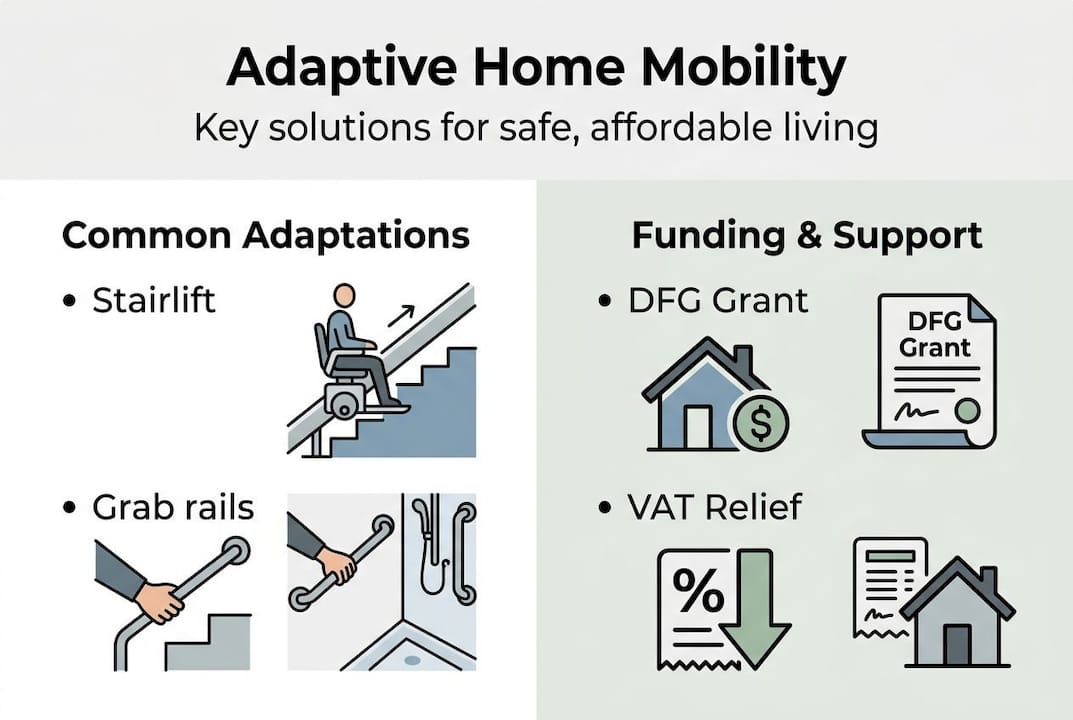
The most significant source of support is the Disabled Facilities Grant (DFG). According to Age UK, DFG funding reaches up to £30,000 for major home adaptations, is means-tested for adults, and covers a wide range of works including stairlift installation. VAT relief at 0% applies to most adaptations purchased by disabled people, which alone can save you hundreds of pounds. Minor adaptations costing up to £1,000 may be provided entirely free by your local authority.
Here is a summary of the main funding options available in 2026:
| Funding type | Maximum value | Means-tested? | Who to contact |
|---|---|---|---|
| Disabled Facilities Grant | Up to £30,000 | Yes (adults) | Local council |
| VAT relief (0%) | Varies by purchase | No | Supplier directly |
| Free minor adaptations | Up to £1,000 | Varies | Local council/OT |
| Charitable grants | Varies | Yes | Local charities |
The key funding sources to investigate are:
- Your local council housing or social care team for DFG applications
- An occupational therapist (OT) who can assess your needs and support your application
- Age UK and disability charities for supplementary grants
- Your stairlift supplier for VAT exemption paperwork
For a full breakdown of what is available, the guide on mobility funding options is a helpful starting point. You can also find practical advice on simple stairs adaptations while you wait for funding decisions.
Pro Tip: Apply for the DFG as early as possible. Waiting lists in some areas stretch beyond 18 months, so submitting your application now means you are closer to the front of the queue while you explore faster interim solutions.
How to make your home safer and more accessible today
Not all improvements require complex or costly renovation. Here is how to get started right away, even before any grant funding arrives.
Some of the most effective safety changes cost very little and take an afternoon to put in place. Minor adaptations up to £1,000 may be available free from your local council, and these can make a genuine difference while you wait for larger works to be approved.
Quick wins to tackle this week:
- Fit grab rails in the bathroom, beside the toilet, and along hallways
- Add anti-slip tape or mats to all steps, inside and outside the home
- Improve lighting on staircases and in corridors, especially at night
- Remove trip hazards such as loose rugs, trailing cables, and clutter on floors
- Raise seat heights with cushions or chair raisers to make sitting and standing easier
- Install a handrail on both sides of the staircase if only one exists
Contact your local council or ask your GP for an occupational therapist referral. An OT visit is free, and the therapist can recommend adaptations, write supporting letters for grant applications, and sometimes arrange for minor works to be completed at no cost to you.
As the Parliament research briefing on DFG confirms, grant delays are common, so having a short-term strategy matters. Buying outright or renting a stairlift while your application is processed keeps you safe in the meantime. You will find further ideas in the guide on family-friendly mobility tips for making the whole home safer without a large budget.
Pro Tip: A reconditioned stairlift can be installed within days and costs significantly less than a new model. If you are waiting months for a grant decision, a reconditioned unit lets you reclaim safe access to your whole home right now.
The real reason most UK homes remain inaccessible (and what you can do differently)
Here is something worth saying plainly. The reason most UK homes still lack basic mobility adaptations is not purely financial. Awareness is the bigger problem. Many homeowners simply do not know what is available, who to ask, or that solutions like reconditioned stairlifts exist at prices starting well below £1,000.
The system does not help. As the Parliament research briefing highlights, DFG delays of 18 months or more are common in some areas. That is a long time to struggle on the stairs or avoid the upper floor of your own home entirely.
At GentleRise Stairlifts, we see this regularly. People contact us after months of waiting, having assumed the grant was their only route. In reality, flexible options like rental stairlifts, reconditioned models, and staged adaptations mean you do not have to wait. Taking one small action this week, whether that is booking a free home survey or fitting a grab rail, breaks the cycle of inaction. You have far more control over your home's accessibility than the system might lead you to believe.
Finding the right stairlift for your home (and how we can help)
If you are now ready to make your home safer and more accessible, here is how Gentlerise can support you.
At GentleRise Stairlifts, we offer straight, curved, and reconditioned stairlifts to suit a wide range of homes and budgets across the UK. Our reconditioned models are fully refurbished and safety-checked, offering a fast and affordable route to regaining access to your whole home.
Not sure where to start? Our team offers free home surveys with no obligation, so you can get expert advice tailored to your property and needs. We are also happy to walk you through stairlift costs and funding options so you can make a confident, informed decision. Get in touch today and take the first step towards a safer, more independent home.
Frequently asked questions
What is the meaning of adaptive home mobility?
Adaptive home mobility refers to modifying your home with aids and technologies, like stairlifts, to improve movement and independence for people with mobility challenges. It covers everything from simple grab rails to full stairlift installations.
What grant funding is available for stairlifts and home adaptations in the UK?
Disabled Facilities Grants offer up to £30,000 for major home adaptations, with VAT relief at 0% and some free minor adaptations also available through your local council.
How long does it take to get a stairlift through Disabled Facilities Grant?
Wait times can exceed 18 months in some areas, so applying early and considering a reconditioned or rental stairlift as an interim solution is strongly advised.
Are stairlifts the most affordable home mobility solution?
Stairlifts are among the most affordable and least disruptive adaptations for multistorey homes, particularly when reconditioned models are considered, with prices starting from under £800.
Can I get free home adaptations?
Yes. Minor adaptations up to £1,000 may be provided free by your local council, depending on your circumstances and eligibility.