
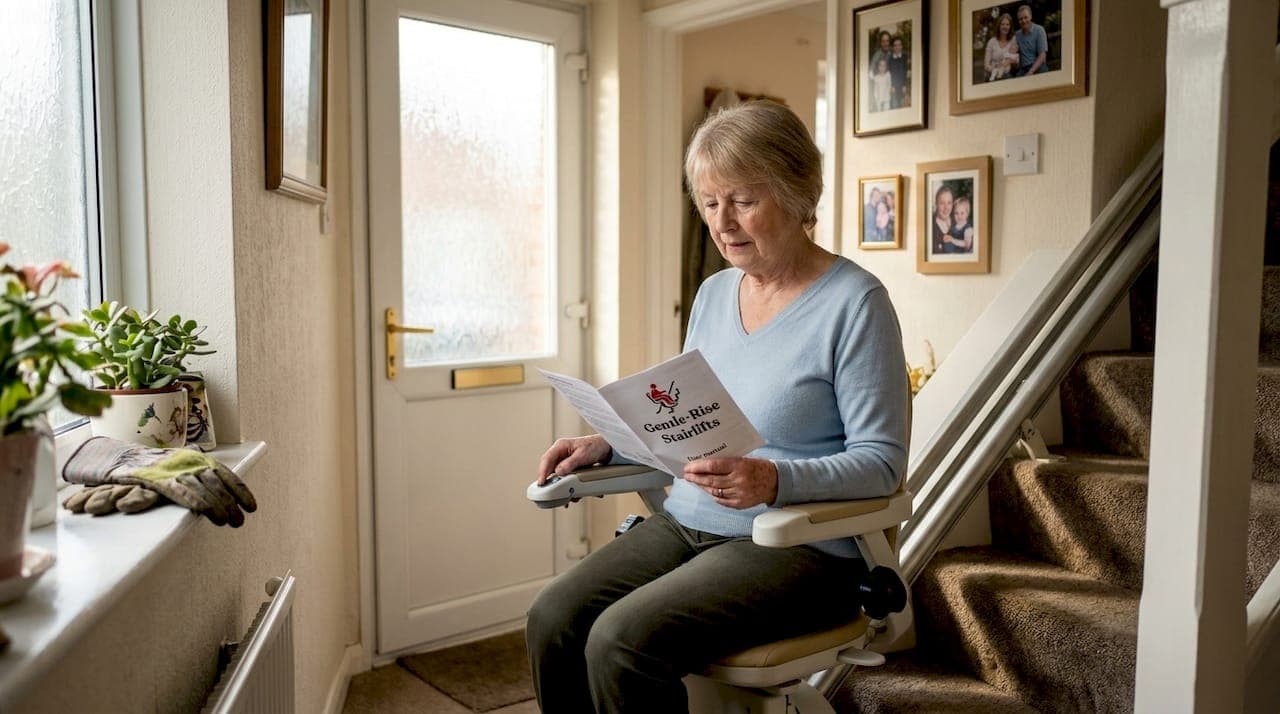
Many UK homeowners assume that making their home more accessible means costly building work, months of disruption, and a hefty bill at the end. That assumption stops thousands of people from getting the help they genuinely need. The reality is far more encouraging. A stairlift can transform daily life at a fraction of the cost most people expect, with average costs starting from £800 for a reconditioned unit. This guide walks you through everything: what accessibility really means, how stairlifts work, what you will pay, and how to access funding support.
Table of Contents
- What home accessibility really means
- Stairlifts: a key to accessible living spaces
- How much does a stairlift really cost?
- What to expect during installation and maintenance
- Funding help and making stairlifts affordable
- Affordable, reliable stairlift solutions for your home
- Frequently asked questions
Key Takeaways
| Point | Details |
|---|---|
| Home adaptation is affordable | Modern stairlifts enable accessible living without major building work or exorbitant costs. |
| Multiple funding options | Grants, VAT exemptions, and reconditioned or rental stairlifts help reduce financial barriers. |
| Installation is fast | Most stairlifts are installed with minimal disruption, often within a half-day. |
| Expert help is vital | Start with a professional assessment and clear questions for the provider to ensure the best solution. |
What home accessibility really means
Accessibility is not about tearing out walls or building extensions. For most UK homeowners, it simply means adapting what you already have so that your home works for you at every stage of life. Stairs are the single most common barrier, but narrow doorways, steep steps, and poorly positioned handrails all contribute to reduced independence.
Common barriers in the home include:
- Steep or narrow staircases
- Lack of grab rails or handrails
- Slippery flooring on steps
- Insufficient lighting on stairways
- Doorways too narrow for walking aids
Government research confirms that cost, time, and information are the three biggest obstacles disabled people face when trying to adapt their homes. Many people simply do not know where to start, or they overestimate the expense involved.
"Many disabled people want to stay in their current home but face real barriers to getting the adaptations they need, including stairlifts. Grants exist, but the process can feel overwhelming."
The good news is that enhancing accessibility for independence does not have to be overwhelming. With the right information and a trusted provider, most adaptations are quicker and more affordable than you might think.
Stairlifts: a key to accessible living spaces
A stairlift is one of the most practical and cost-effective ways to restore safe movement between floors. They suit a wide range of situations: older adults managing age-related mobility changes, people recovering from hip or knee surgery, and those living with long-term conditions such as arthritis or multiple sclerosis.
Who typically benefits from a stairlift:
- Adults aged 60 and over with reduced leg strength or balance
- People recovering from orthopaedic surgery
- Those with progressive conditions affecting mobility
- Carers supporting a family member at home
- Anyone who finds stairs increasingly tiring or painful
The two main types are straight and curved stairlifts. Straight models suit staircases with no bends and are significantly cheaper. Straight stairlifts average £3,371 for a new unit, while curved models average £4,728 because they require a custom-built rail. Reconditioned straight stairlifts can cost as little as £800, making them an excellent entry point.
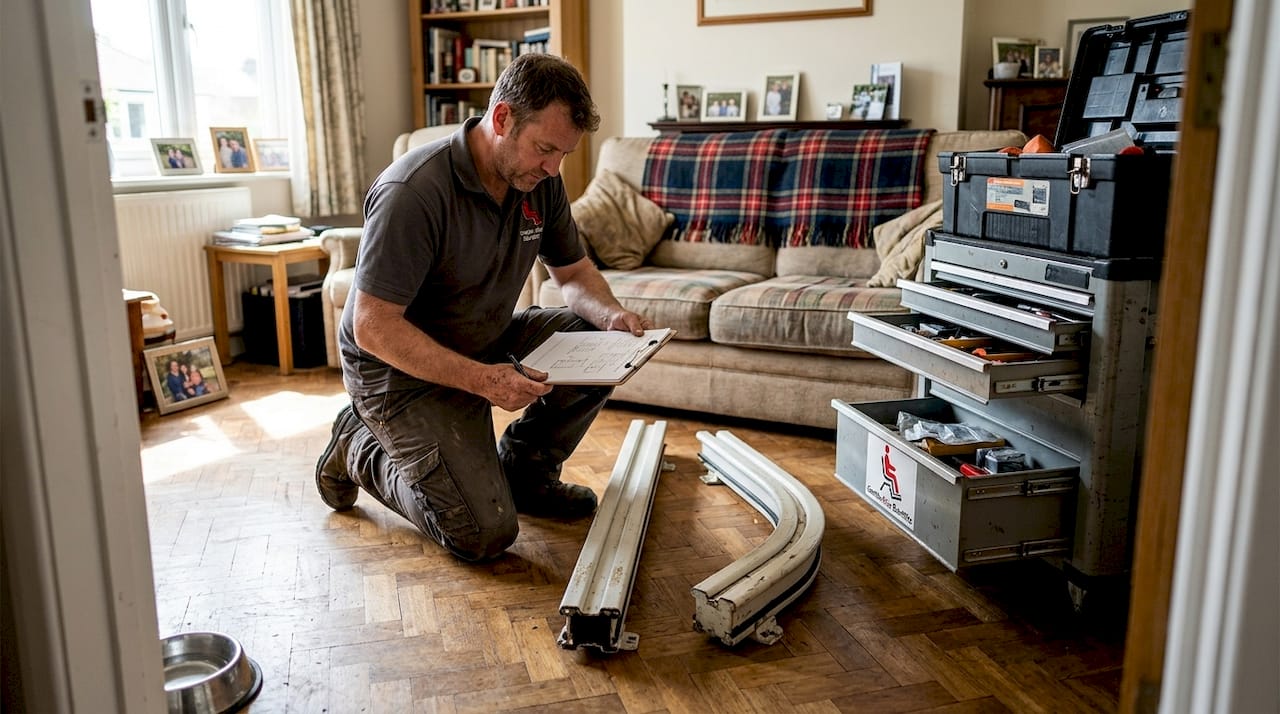
If you are unsure which type suits your staircase, stairlifts in London and across the UK are assessed during a free home survey, which removes the guesswork entirely. When choosing the most reliable stairlift, the shape of your staircase, your weight capacity needs, and your preferred seating style all matter.
Pro Tip: Before committing to any purchase, request an occupational therapist (OT) assessment. An OT can identify your specific mobility needs and recommend the most suitable model, which could save you money and prevent a costly mismatch.
How much does a stairlift really cost?
Let's look at the numbers clearly. Costs vary depending on whether you buy new, buy reconditioned, or rent.
| Option | Typical cost | Best suited for |
|---|---|---|
| New straight stairlift | £1,800 to £3,000 | Long-term use, full warranty |
| New curved stairlift | £3,500 to £7,000+ | Staircases with bends or landings |
| Reconditioned straight | £800 to £2,000 | Budget-conscious buyers |
| Weekly rental | £10 to £15 per week | Short-term recovery or trial |
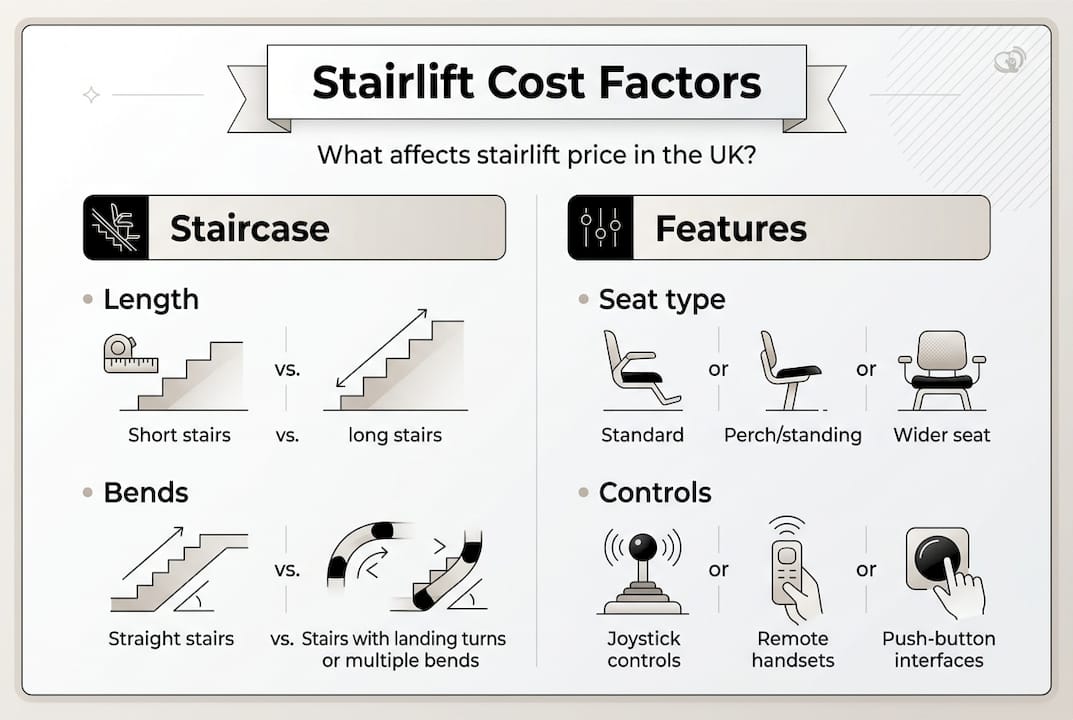
Several factors push costs up or down. The length of your staircase, the number of bends, the seat style (perch or standard), and any additional features such as powered footrests or remote controls all affect the final price. Installation is usually included in the quoted price, but always confirm this upfront.
For a full breakdown, the stairlift costs in the UK guide covers every variable in detail. Understanding the affordable stairlifts benefits can also help you weigh up which route makes the most financial sense for your situation.
Top ways to reduce your stairlift costs:
- Choose a reconditioned model from a reputable provider
- Apply for a Disabled Facilities Grant before purchasing
- Check whether you qualify for VAT exemption (zero-rated for eligible disabled users)
- Consider a rental if your need is temporary
- Compare at least three quotes before committing
One often-overlooked saving: VAT exemption for disabled buyers means you pay zero VAT on a stairlift if you have a qualifying condition. On a £2,500 purchase, that alone saves £500.
What to expect during installation and maintenance
Installation day is far less disruptive than most people anticipate. The rail is fixed directly to the stair treads using stanchions, not to the walls, so there is no plastering or major building work involved. A straight stairlift takes 2 to 4 hours to fit, and the unit runs on a battery that charges via a standard plug socket. You do not need a dedicated electrical circuit.
| Stage | What happens | Typical duration |
|---|---|---|
| Survey | Measurements and assessment | 30 to 60 minutes |
| Delivery | Rail and seat unit arrive | Same day as install |
| Installation | Rail fixed, seat fitted, tested | 2 to 4 hours |
| Handover | User training and safety check | 15 to 30 minutes |
Once installed, maintenance is straightforward. Most faults are minor and preventable. Pets and toys on stairs are among the most common causes of unexpected stops, so keeping the rail clear is essential. Regular servicing, typically once a year, keeps the unit running smoothly and extends its lifespan.
Key maintenance habits to build:
- Wipe the rail monthly with a dry cloth
- Keep the staircase clear of objects at all times
- Test the safety sensors regularly
- Report any unusual sounds or slow movement promptly
- Book an annual service with your provider
Pro Tip: Ask your provider about buyback schemes before you buy. Some companies will repurchase the unit when you no longer need it, but buyback schemes offer low returns, often just a few hundred pounds. Factor this into your overall cost calculation rather than relying on it as a significant financial return.
For ongoing peace of mind, a dedicated stairlift aftercare service such as the Protect+ plan covers routine servicing and priority call-outs, so you are never left without support.
Funding help and making stairlifts affordable
Cost is the most cited reason people delay getting a stairlift. But there is more financial support available than most people realise. Here is a clear rundown of your options.
- Disabled Facilities Grant (DFG): Available to homeowners and private tenants in England, Wales, and Northern Ireland. Grants of up to £30,000 are available to fund adaptations including stairlifts. You apply through your local council, and eligibility is means-tested.
- Local council support: Some councils offer top-up grants or interest-free loans beyond the DFG. Contact your local authority's housing adaptation team directly.
- VAT exemption: If you have a long-term illness or disability, you pay zero VAT on a stairlift. Your provider should handle this automatically, but always confirm it in writing.
- Rental schemes: Rentals from £10 to £15 per week are ideal for post-surgery recovery or short-term needs. No large upfront cost, and the unit is removed when you no longer need it.
- Reconditioned units: A fully refurbished stairlift from a reputable provider offers the same safety standards as a new model at a significantly lower price.
Despite these options, barriers to adaptations remain real for many people. The grant application process can be slow, and navigating council systems is not always straightforward.
"Grants help, but the process can vary significantly between local authorities. Getting advice from a specialist provider early can speed things up considerably."
If you are weighing up renting versus buying, stairlift subscription options offer a flexible middle ground, with rolling contracts and no long-term commitment required.
Affordable, reliable stairlift solutions for your home
Finding the right stairlift is easier when you work with a specialist who understands both the practical and financial sides of the decision. At Gentle Rise Stairlifts, we offer transparent pricing, free home surveys, and a range of most reliable stairlift options to suit every staircase and budget.
Whether you are looking for a brand-new straight stairlift, a budget-friendly affordable reconditioned stairlift, or a short-term rental while you recover from surgery, we have a solution that fits. Our Protect+ aftercare plan means you are covered long after installation day. Use our stairlift costs guide to get a clear picture of what to expect, then book your free home survey to take the first step towards greater independence at home.
Frequently asked questions
What is the average cost of a stairlift in the UK?
A new straight stairlift averages around £3,371 according to a 2022 survey, while reconditioned models can start from as little as £800, making them a practical choice for budget-conscious buyers.
How long does stairlift installation take?
For a straight staircase, installation takes 2 to 4 hours and requires no major building work, as the rail fixes directly to the stair treads rather than the walls.
Can I get help paying for a stairlift?
Yes. You may qualify for a Disabled Facilities Grant, local council support, or VAT exemption for disabled buyers, all of which can significantly reduce the overall cost.
Are rentals or reconditioned stairlifts a good option?
Rentals suit short-term needs at £10 to £15 per week, while reconditioned units offer substantial upfront savings without compromising on safety standards.
What should I ask before buying a stairlift?
Request an OT assessment to confirm suitability, ask about future mobility needs, and clarify what aftercare is included, as buyback schemes offer low returns and should not be a deciding factor in your purchase.