
TL;DR:
- Stairlifts greatly enhance safety and independence for older adults by preventing dangerous falls.
- Reconditioned stairlifts offer a cost-effective, safe, and environmentally friendly alternative to new models.
- Funding options like grants and VAT relief can significantly reduce the upfront costs of installing a stairlift.
Falls on the stairs are one of the most serious threats to independence for older adults in the UK, with stairlifts reducing falls that collectively cost the NHS an estimated £2.3 billion every year. Yet many families still dismiss stairlifts as an expensive luxury, assuming they are simply out of reach. The truth is that between reconditioned models, short-term rentals, government grants, and VAT relief, a safe and reliable stairlift is far more affordable than most people realise. This guide walks you through every practical option available right now.
Table of Contents
- Why stairlifts matter for independence and safety
- Stairlift options explained: new, reconditioned, and rental
- How to make a stairlift affordable: grants, VAT relief, and funding routes
- What to expect with ownership: running costs and practical considerations
- Our perspective: why reconditioned and funded stairlifts are the smart choice
- Find the right stairlift for your needs
- Frequently asked questions
Key Takeaways
| Point | Details |
|---|---|
| Stairlift options vary | You can choose from new, reconditioned, or rental stairlifts, each with its own cost and benefits. |
| Financial help is available | Grants, VAT relief, and charity funding can make stairlifts affordable for most UK residents. |
| Running costs are low | Stairlifts typically cost less than £20 yearly in electricity and about £100–£300 for annual maintenance. |
| Reconditioned stairlifts save money | Choosing a reputable reconditioned stairlift can reduce expenses by up to 60% compared to new models. |
Why stairlifts matter for independence and safety
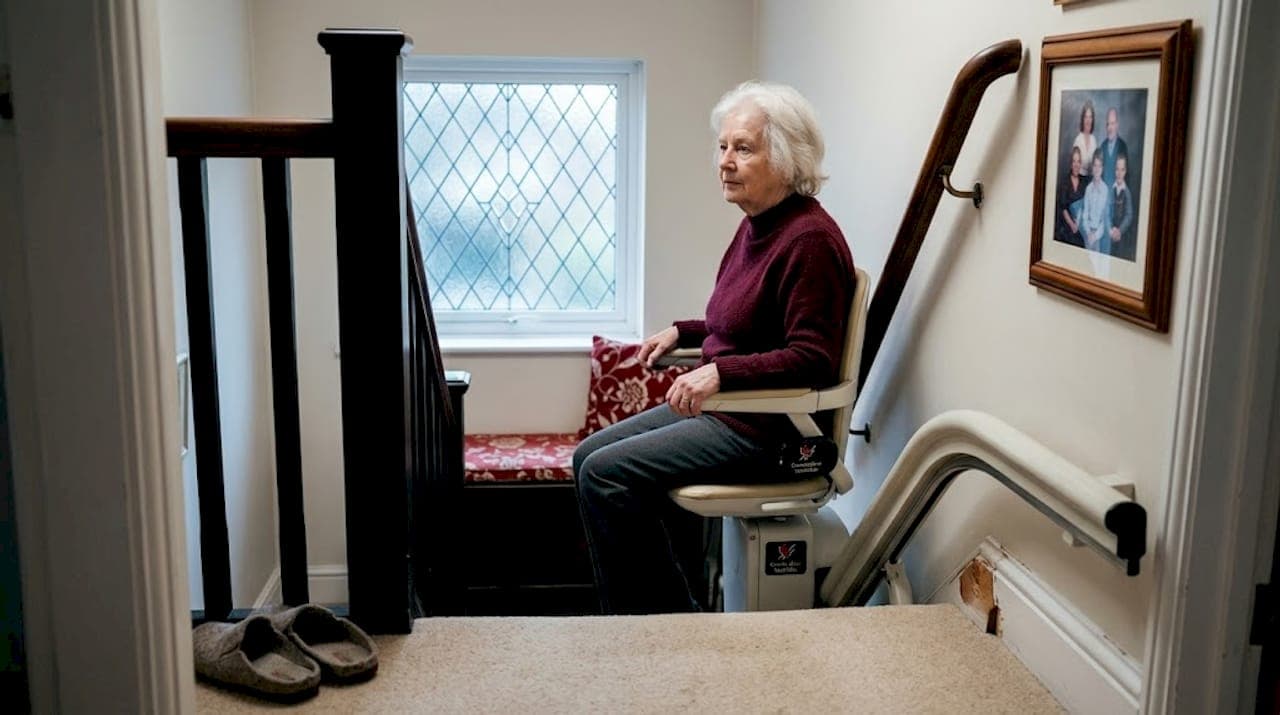
Let's first put into perspective why stairlifts are more than a convenience for those with reduced mobility. For many older adults, the stairs represent the single biggest physical barrier inside their own home. Once climbing them becomes painful or frightening, the bedroom and bathroom can feel completely cut off, and the quality of daily life drops sharply.
"Stairlifts are not just about comfort. For many elderly individuals, they are the difference between staying in a beloved home and moving into residential care."
The numbers behind this are sobering. Falls are the leading cause of injury-related death among older people in the UK, and the financial and human cost runs into billions each year. A stairlift removes the most dangerous daily journey in the home without requiring major building work or months of disruption. Unlike a home lift, which involves structural alterations, a stairlift rail is fitted directly to the staircase and can be installed within hours.
The barriers that stop people from acting are usually two things: upfront cost and stigma. Some people worry that having a stairlift makes the home look like a care facility, or that neighbours will notice. In reality, modern stairlifts are slim, quiet, and fold neatly against the wall. And as we will explore in detail, the benefits and costs often tip decisively in favour of installing one sooner rather than later.
Key reasons people choose stairlifts over alternatives:
- No structural alterations required, unlike a through-floor lift
- Quick installation, often completed in a single morning
- Preserves stair access for other household members
- Boosts confidence and reduces anxiety around the stairs
- Supports recovery after surgery or illness
Stairlift options explained: new, reconditioned, and rental
Now that the importance is clear, it is vital to understand which stairlift options are truly accessible. The market broadly divides into three categories, each with a distinct price point, warranty, and use case.
| Type | Typical installed cost | Warranty | Lifespan | Best for |
|---|---|---|---|---|
| New straight | £1,800 to £3,500 | 2 to 5 years | 10 to 15 years | Long-term daily use |
| Reconditioned straight | £595 to £2,000 | 1 to 2 years | 5 to 10 years | Budget-conscious buyers |
| New curved | £3,800 to £12,000+ | 2 to 5 years | 10 to 15 years | Staircases with bends |
| Rental | £10 to £15 per week + setup | Included | N/A | Short-term or trial use |
Source: stairlift cost and options
New stairlifts come with the latest safety features, longer manufacturer warranties, and a full lifespan of 10 to 15 years. They are the right choice when the stairlift will be used heavily every day, or when the staircase has a complex curve that limits the availability of pre-owned stock.
Reconditioned stairlifts are fully tested, safety-checked units that have been returned, refurbished, and certified for resale. They typically save 30 to 60% compared to buying new, with warranties running from one to two years. The trade-off is a slightly shorter expected lifespan of five to ten years and occasionally older styling. However, when sourced from a reputable supplier who carries out full mechanical and electrical checks, they are every bit as safe as a new unit.
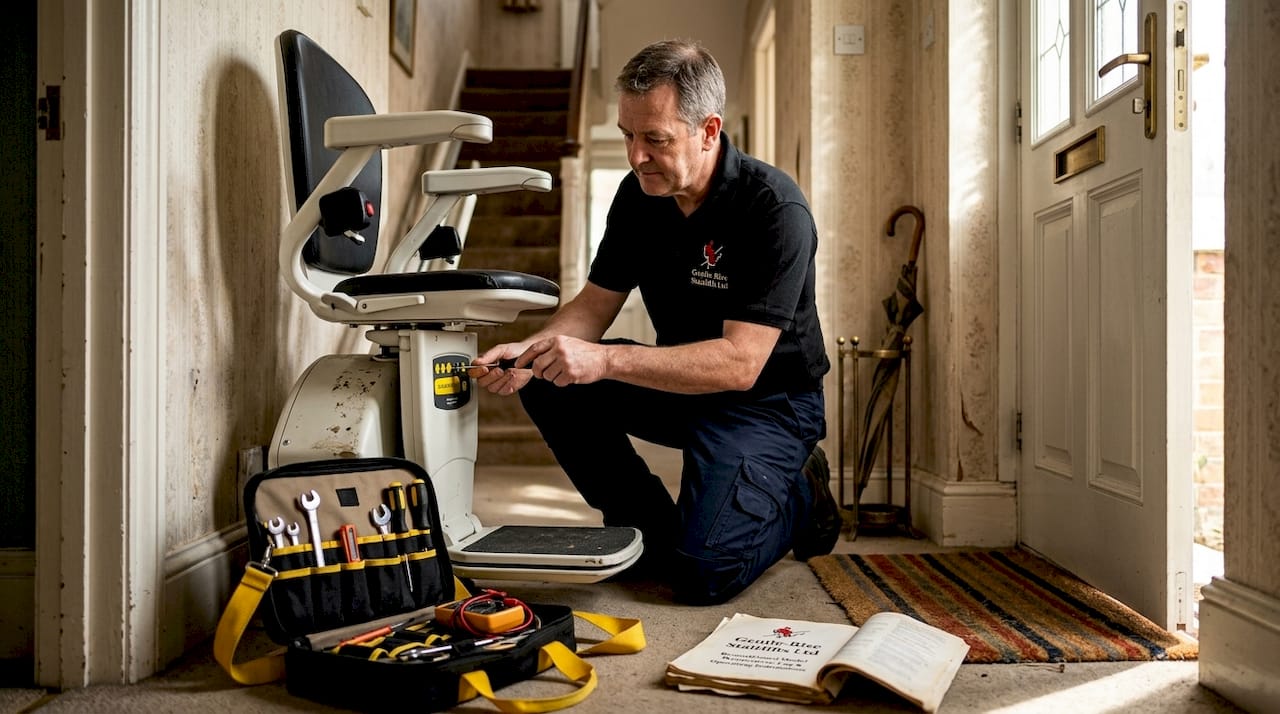
Rental stairlifts are an underused option that suits people recovering from a hip replacement or knee surgery, or those who simply want to try before committing. At £10 to £15 per week plus a setup fee, a three-month rental costs a fraction of a purchase, and the provider handles removal when it is no longer needed.
Pro Tip: If you are unsure whether a stairlift is a permanent need or a temporary one, start with a rental. Many providers, including choosing a reliable stairlift guides, suggest trialling before buying to ensure the model suits your lifestyle and staircase layout.
When comparing quotes, always check whether the price includes installation, a rail that fits your specific staircase length, and at least one service visit. The UK stairlift cost varies more than most people expect, so getting three written quotes before committing is always worthwhile.
How to make a stairlift affordable: grants, VAT relief, and funding routes
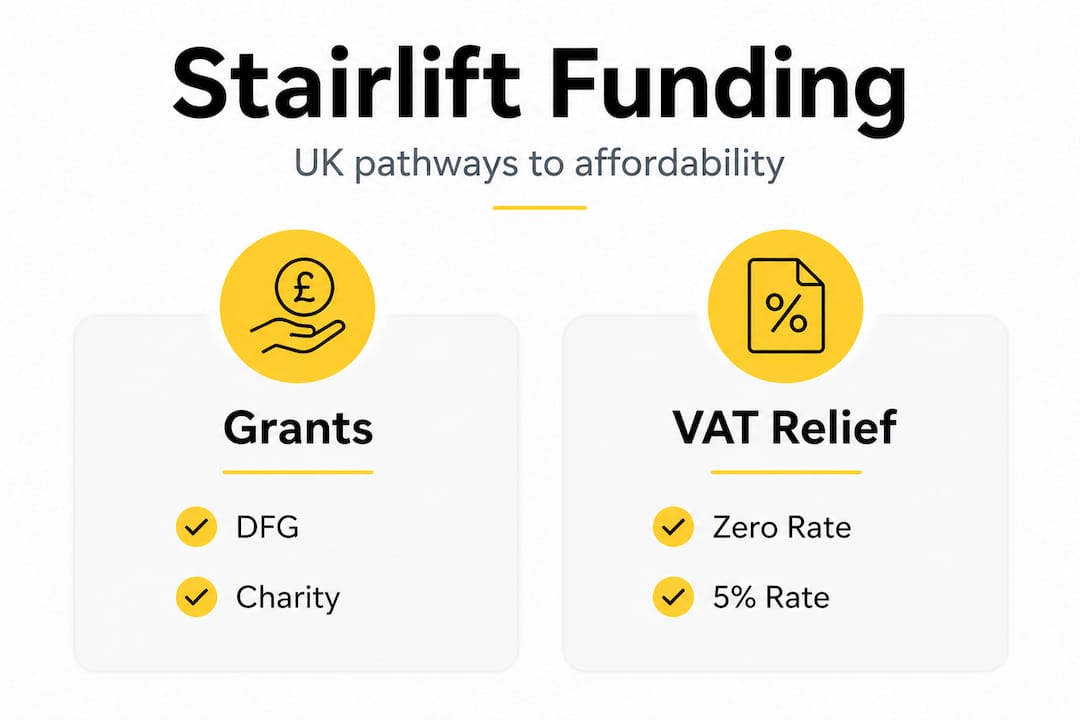
Understanding the options is only half the battle; let us see how to actually make them financially viable. The good news is that the UK has several funding routes that can dramatically reduce or even eliminate the cost of a stairlift for those who qualify.
Main funding routes at a glance
| Funding route | Maximum support | Who qualifies |
|---|---|---|
| Disabled Facilities Grant (England) | Up to £30,000 | Disabled individuals, means-tested |
| Disabled Facilities Grant (Wales) | Up to £36,000 | Disabled individuals, means-tested |
| Independence at Home charity | Up to £2,000 | Via professional referral |
| VAT relief (disabled) | 0% VAT (save 20%) | Registered disabled individuals |
| VAT relief (over 60) | 5% VAT (save 15%) | Anyone aged 60 or over |
Source: Disabled Facilities Grant and charity funding, stairlift VAT relief
The Disabled Facilities Grant (DFG) is the most significant source of help. It is administered by your local council and can cover up to £30,000 in England or £36,000 in Wales. To qualify, an occupational therapist (OT) must assess your home and confirm that the adaptation is necessary. The grant is means-tested, meaning that savings above £6,000 will reduce the amount you receive. Roughly 60,000 home adaptations are funded this way every year across the UK, so this is a well-established route, not a rare exception.
Here is how to apply step by step:
- Contact your local council and request a referral to an occupational therapist.
- Complete the OT assessment, which looks at your mobility needs and the layout of your home.
- Receive a recommendation for the specific adaptation, in this case a stairlift.
- Submit your DFG application to the council's housing department, including financial details for means-testing.
- Obtain quotes from approved installers and submit them with your application.
- Await approval, which typically takes several weeks, then proceed with installation.
Charity funding is worth pursuing alongside the DFG. Organisations such as Independence at Home can provide up to £2,000 towards the cost of a stairlift, usually via a referral from a social worker, GP, or OT. This can bridge the gap when the DFG does not cover the full amount.
VAT relief is simpler and faster. If you are disabled, you pay zero VAT on a stairlift, saving 20% of the purchase price immediately. If you are aged 60 or over, the reduced rate of 5% applies, saving 15%. You simply declare your eligibility to the supplier at the point of sale. No lengthy application is required. For a stairlift costing £2,000, this could mean an immediate saving of £333 to £400.
Pro Tip: Combine funding routes wherever possible. A reconditioned stairlift purchased with zero-rate VAT and a partial DFG contribution can bring the net cost down to a few hundred pounds, or even nothing at all. Reviewing cost breakdowns before applying helps you present accurate figures to the council.
What to expect with ownership: running costs and practical considerations
Once you have secured and installed a stairlift, here is what to budget for and expect day to day. Many people are pleasantly surprised by how little a stairlift actually costs to run once it is in place.
A stairlift uses very little electricity because it runs on a rechargeable battery that trickles power from a standard 13-amp socket. The annual electricity cost is typically just £10 to £20, which is less than leaving a lamp on for a few hours each day. You can read more about stairlift electricity use to understand exactly how the charging system works.
The main ongoing expense is servicing. An annual service from a qualified engineer typically costs between £100 and £300. This visit covers lubrication of the rail, checks on the drive mechanism, safety sensor tests, and a full inspection of the seat, belt, and footrest. Skipping annual services is a false economy because catching small issues early prevents costly repairs later.
Key things to budget for and plan around:
- Annual service: £100 to £300, ideally from the original installer or a manufacturer-approved engineer
- Battery replacement: typically every three to five years, usually included in a service contract
- Rail cleaning: a quick wipe-down every few weeks keeps the mechanism running smoothly
- Insurance: check whether your home contents policy covers the stairlift or whether you need an add-on
The lifespan of a stairlift depends heavily on how often it is used and how well it is maintained. A new straight stairlift used twice daily and serviced annually can last 12 to 15 years. A reconditioned model under the same conditions should give five to ten years of reliable service. Finding reliable stairlifts near you with strong aftercare programmes is just as important as the initial purchase price.
Pro Tip: Ask your installer about a maintenance plan before the stairlift is fitted. Bundling the service contract with the installation often works out cheaper than booking individual visits, and it gives you peace of mind that a qualified engineer will check the unit regularly.
Our perspective: why reconditioned and funded stairlifts are the smart choice
From reviewing the facts, a clear strategy emerges for most UK homes needing stairlifts. We understand that the upfront cost feels daunting, and we also know that the stigma around stairlifts is still real for many families. But when you look at the numbers honestly, the case for acting sooner rather than later is overwhelming.
Here is the uncomfortable truth: waiting costs more. Every month spent avoiding the stairlift conversation is a month of unnecessary risk on the stairs, potential falls, and the anxiety that comes with them. A fall serious enough to require hospitalisation costs far more in human terms than any stairlift ever could.
Our view, grounded in years of working with families across the UK, is that reconditioned stairlifts from reputable suppliers represent the single best value option for the majority of people. When you combine a reconditioned straight stairlift with zero-rate VAT and a DFG application, the net cost can be remarkably low. The safety standards are identical to new units when the refurbishment has been done properly, and the environmental benefit of reusing an existing unit is a genuine bonus.
We do acknowledge that new is sometimes the right answer. If the staircase has a complex curve, if the user is very heavy, or if the stairlift will be used many times a day for years to come, investing in a new unit with a longer warranty makes sense. But for the typical straight staircase and moderate daily use, reconditioned is not a compromise. It is the smart choice.
Short-term rentals remain the most underused option in the market. We see this regularly with clients recovering from surgery who assume they must either buy immediately or manage without. A rental at £10 to £15 per week removes that false choice entirely.
Find the right stairlift for your needs
If you are ready to take control of home mobility, here is how to get started with trusted providers.
At GentleRise Stairlifts, we specialise in making stairlifts genuinely accessible for every budget. Whether you need a brand-new straight model, a fully tested reconditioned unit, or a short-term rental while you recover from surgery, we have a solution to suit your situation. Our team can walk you through UK stairlift pricing in plain language, help you identify the grants you may qualify for, and arrange a free home survey at a time that suits you. Browse our reconditioned stairlift options to see what is currently available, or call us to discuss your needs with no obligation whatsoever.
Frequently asked questions
Who is eligible for a stairlift grant in the UK?
Anyone who meets their local authority's criteria, usually based on a need assessed by an occupational therapist and means-testing, may be eligible for support such as the Disabled Facilities Grant, which covers stairlifts when assessed as necessary.
How much do reconditioned stairlifts typically cost?
Reconditioned models generally cost £595 to £2,000 installed, saving 30 to 60% compared to buying new, while still meeting full safety standards when sourced from a reputable supplier.
Do I have to pay VAT when buying a stairlift?
If you are disabled, you pay zero VAT on a stairlift, and if you are aged 60 or over, a reduced rate of 5% applies, both of which represent a significant saving on the purchase price.
What are the ongoing costs of running a stairlift?
Expect to pay around £10 to £20 per year in electricity and between £100 and £300 annually for a professional service visit, making the day-to-day running costs very manageable.
Is renting a stairlift a good idea?
Renting is an excellent short-term solution, particularly for post-surgery recovery, with rental costs starting at £10 to £15 per week plus a setup fee, and no long-term commitment required.