
TL;DR:
- London stairlift costs are higher due to congestion fees, parking, and operational expenses.
- Custom adaptations may be required for London's older, narrow, and complex staircases.
- Applying early for grants and choosing local experts can save money and ensure proper installation.
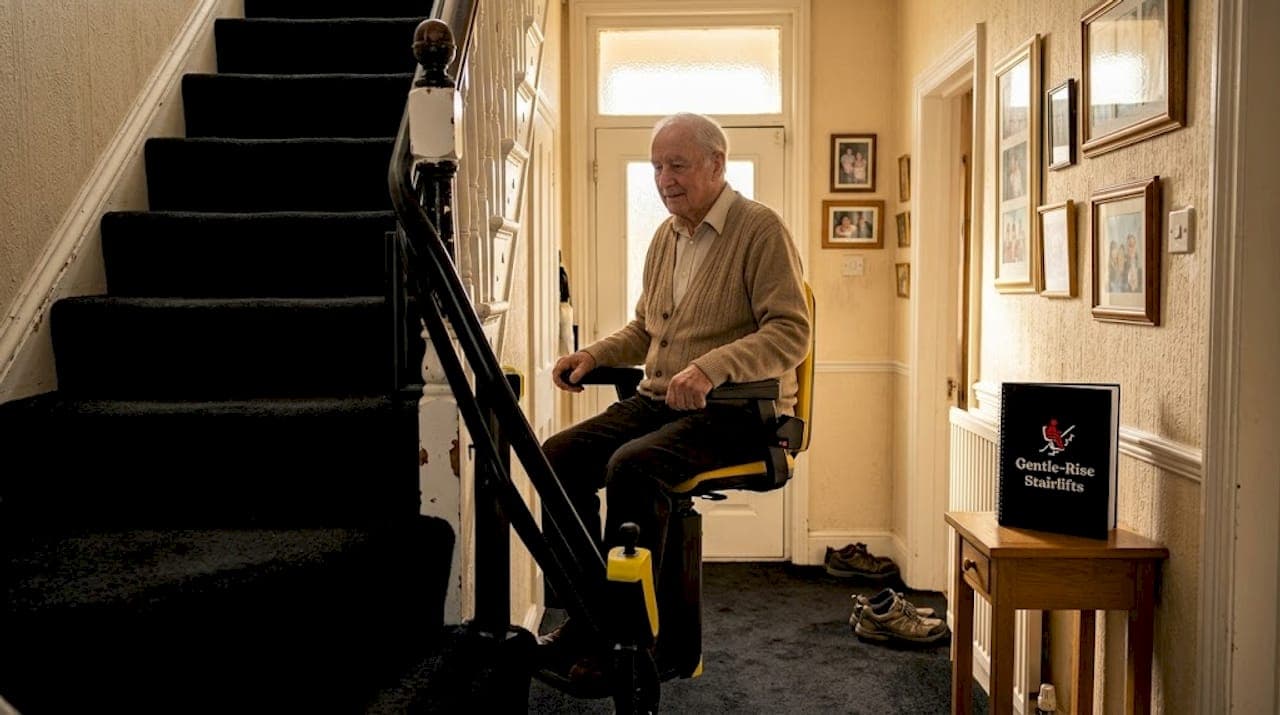
Finding the right stairlift in London is genuinely harder than it looks. Older Victorian terraces, narrow Edwardian staircases, and converted flats all create real obstacles that a standard catalogue solution simply cannot address. On top of the structural challenges, costs in the capital run noticeably higher than elsewhere in the UK, grants are means-tested, and the sheer number of providers makes comparison exhausting. Whether you are managing a long-term mobility condition, recovering from a hip replacement, or helping a parent stay safely in their home, this guide walks you through every practical option available in 2026 so you can make a confident, cost-effective decision.
Table of Contents
- How to choose the right stairlift solution for your London home
- Straight vs curved vs reconditioned vs rental: key options explained
- Top stairlift brands and service providers in London
- Funding your stairlift: grants, council help, and practical savings
- The overlooked costs and shortcuts in London's stairlift market
- Find your perfect stairlift solution with GentleRise
- Frequently asked questions
Key Takeaways
| Point | Details |
|---|---|
| London homes need custom solutions | Unique layouts and narrow staircases in London often require bespoke stairlift options and careful provider selection. |
| Compare all types | Straight, curved, reconditioned, and rental lifts each suit different needs and budgets—don’t overlook reconditioned or rental for savings. |
| Always get several quotes | Multiple surveys from local and national suppliers ensure you get a fair deal and the best service. |
| Explore grants early | Means-tested council grants like the Disabled Facilities Grant can significantly lower your stairlift cost if you apply at the right time. |
How to choose the right stairlift solution for your London home
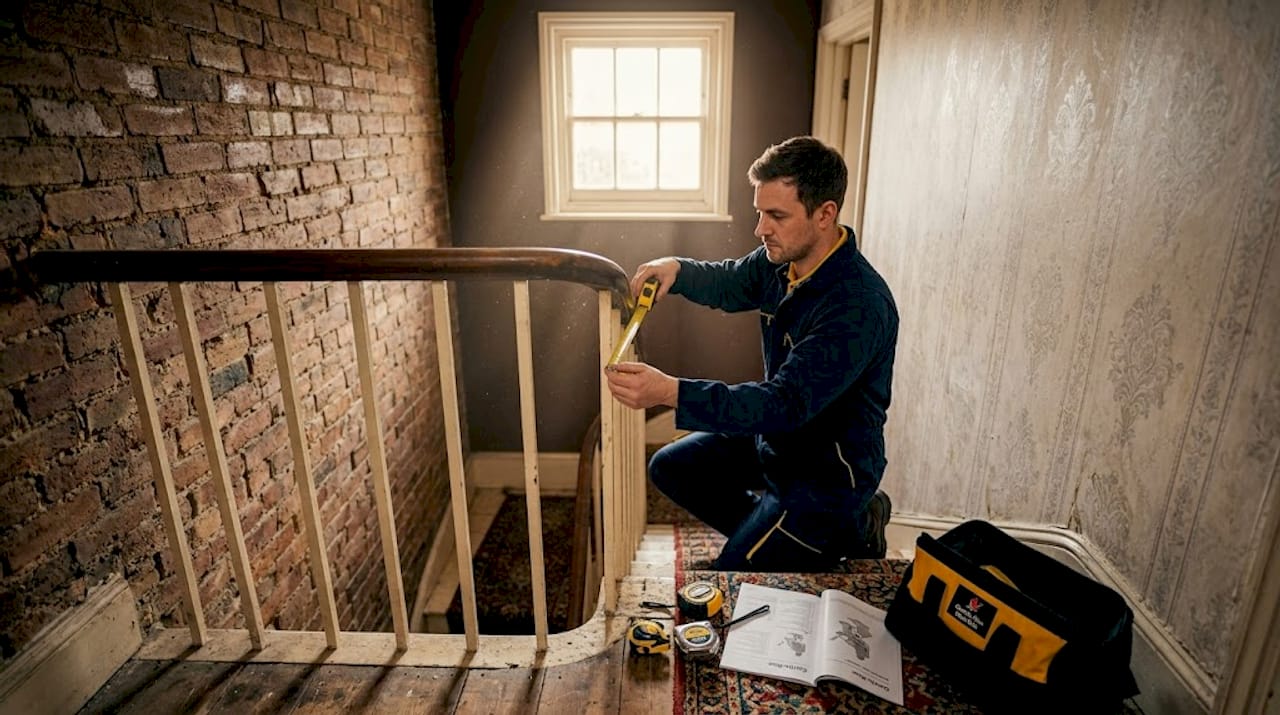
The first step is understanding why London is uniquely challenging. A large proportion of London's housing stock was built before 1919, which means staircases are frequently narrower, steeper, and less standardised than those in newer properties. A stairlift that installs easily in a modern semi-detached home in Leeds may require custom adaptation in a Hackney townhouse or a Lewisham maisonette. That customisation costs money and time, so knowing your staircase type before you speak to any provider is essential.
When you start comparing options, four core criteria should guide your decision:
- Staircase style: Is your staircase straight, curved, or does it have a mid-flight landing? Straight staircases are the most affordable to fit; curved rails are manufactured to precise measurements and cost significantly more.
- Budget and funding: What can you genuinely afford upfront, and are you eligible for council support? Stairlift costs vary considerably depending on rail complexity and location.
- Duration of need: Is this a permanent fixture or a temporary solution post-surgery? Short-term needs open up the rental market, which has a very different cost structure.
- Home ownership: Tenants in council or rented properties may need landlord consent and face different grant eligibility routes than owner-occupiers.
London installation costs are already 10–20% higher than the UK average, largely because installers must absorb ULEZ charges, congestion fees, and parking costs. Those operational expenses get passed directly to you in the final quote.
"Get at least two or three free home surveys before committing to any provider. A proper survey catches structural or access issues early and ensures your quote reflects the actual job, not a generic price."
Pro Tip: Apply for a Disabled Facilities Grant (DFG) through your London borough as early as possible. The assessment involves an Occupational Therapist (OT) visit to your home, and waiting lists can be several weeks long. Starting the process before you finalise any purchase gives you a clearer picture of how much council support you may receive, and stairlift experts consistently recommend this approach for Londoners on a fixed income. Always ask for a fixed-price quote in writing, and check whether the long-term service arrangement is included or a separate add-on.
Straight vs curved vs reconditioned vs rental: key options explained
Now that you know what to look for, here is a clear breakdown of your main stairlift options side by side.
The four main stairlift types
Straight stairlifts are the most common and the most affordable. They run along a straight rail that is bolted to your stair treads, not your wall, so no major structural work is needed. Installation typically takes a few hours. If your staircase runs in a single unbroken line from one floor to the next, this is almost certainly your most cost-efficient choice.
Curved stairlifts are manufactured bespoke for each individual staircase. Every bend, corner, and landing section requires a custom-built rail. This manufacturing process takes longer and costs substantially more. For the many London homes with L-shaped or spiral staircases, there is often no practical alternative, but the price difference is significant.
Reconditioned stairlifts are factory-refurbished units that have been fully serviced, tested, and returned to working condition. They carry a shorter warranty than brand-new models but cost meaningfully less. For a straight staircase, a quality reconditioned unit can represent excellent value, particularly if budget is a primary concern.
Rental stairlifts are installed for a fixed monthly fee and are removed at the end of the agreement. They suit people recovering from surgery or managing a temporary mobility restriction. There is a lower upfront installation cost compared to purchasing outright, making them genuinely accessible for short-term needs.
Cost comparison table
| Stairlift type | UK average cost | Estimated London cost | Best suited for |
|---|---|---|---|
| Straight (new) | £3,371 | £3,700–£4,050 | Permanent use, straight stairs |
| Curved (new) | £4,728 | £5,200–£5,700+ | Older London homes, bends and landings |
| Reconditioned | £1,500–£2,500 | £1,700–£2,800 | Budget-conscious, straight stairs |
| Rental | £40–£150/month + £350–£1,000 install | Slightly higher in London | Post-surgery, short-term recovery |
London prices reflect the 10–20% uplift described above, so treat these figures as realistic estimates rather than firm quotes.
Pro Tip: If you have a straight staircase and a modest budget, a reconditioned unit from a reputable supplier is often the smartest starting point. You get the core functionality at a fraction of the new-unit price, and a good warranty still gives you meaningful protection. Our full 2026 stairlift guide covers each type in further detail if you want to explore specifications before booking a survey.
Key advantages and disadvantages of each type at a glance:
- Straight (new): Fast installation, full warranty, straightforward maintenance. Limited to straight staircases only.
- Curved (new): Fits any staircase layout, bespoke design. High cost, longer lead time for manufacture.
- Reconditioned: Lower upfront cost, environmentally sensible. Shorter warranty, limited availability for curved models.
- Rental: No large upfront payment, flexible term length. Monthly costs add up over longer periods; not ideal for permanent needs.
Top stairlift brands and service providers in London
Deciding which type of stairlift to install also means knowing who you can trust for support and long-term reliability.
Three brands consistently receive strong ratings for value and reliability in the UK market: Stannah, Handicare, and Acorn. Each offers both straight and curved models, and all three have established service networks. Top-rated brands like these score well on customer satisfaction, though individual experiences can vary depending on whether you buy direct from the manufacturer or through a local independent supplier.
Manufacturer direct vs local independent suppliers
| Factor | Manufacturer direct | Local independent supplier |
|---|---|---|
| Price | Often fixed, less negotiable | More flexibility to negotiate |
| Local knowledge | Limited to postcode availability | Strong awareness of London-specific layouts |
| Aftercare | National service teams | Faster local response in many cases |
| Range | Brand-specific only | Can source and fit multiple brands |
| Structural insight | Standard assessment process | May catch London-specific access issues |
Buying through an independent local supplier does not mean lower quality. Many reputable independents fit the same branded units but offer more attentive aftercare and a quicker response time when something needs adjusting.
Ongoing ownership costs are often underestimated. Battery replacements typically cost £85–£300 every two to five years, and an annual service runs around £250. Over a decade of use, these running costs add up to a meaningful sum, so factor them into your total cost of ownership from day one.
What to check when comparing service packages:
- Is the first year of servicing included in the installation price?
- Does the warranty cover both parts and labour?
- What is the guaranteed response time for call-outs?
- Is there a 24-hour helpline for urgent issues?
Making reliable stairlift choices means looking beyond the brochure and asking these questions directly. If a provider is reluctant to answer clearly, that tells you something important. You should also explore whether stairlift subscription services make financial sense for your situation, particularly if you prefer predictable monthly costs over large annual bills.
Funding your stairlift: grants, council help, and practical savings
With brand and provider options in mind, it is time to see how you can ease the financial side, especially in London.
The most significant funding route for eligible Londoners is the Disabled Facilities Grant (DFG). This is a means-tested grant administered by your London borough council. It can cover some or all of the cost of adaptations, including stairlifts, depending on your household income and savings. The maximum grant in England is currently £30,000, though actual awards vary.
How the DFG process works:
- Contact your borough council's housing adaptations team and request a referral for an Occupational Therapy assessment.
- An OT visits your home to confirm the need for a stairlift and the most suitable type.
- The council assesses your financial circumstances to determine how much of the cost it will cover.
- Once approved, you obtain quotes from approved installers and the grant is paid directly or reimbursed upon completion.
The process takes time, which is why stairlift experts recommend applying as early as possible, particularly if your need is not yet urgent. Starting the application before your mobility deteriorates further means you are not waiting weeks for approval when you genuinely need the lift in place.
Beyond the DFG, practical savings tips include:
- Get fixed-price quotes in writing so there are no unexpected additions after the installation date.
- Compare at least three providers before making a decision. Prices for the same unit can vary by several hundred pounds.
- Consider reconditioned units for straight staircases where the cost saving is most pronounced.
- Review the warranty terms carefully, especially the duration and what is excluded.
- Ask about seasonal promotions, as some providers offer reduced installation fees during quieter periods.
One cost-saving shortcut to avoid entirely is DIY installation. It might appear to save money at the outset, but fitting a stairlift without professional certification almost certainly voids the manufacturer's warranty and introduces real safety risks. The benefits and costs of stairlifts are best realised when the unit is installed correctly and maintained professionally from day one.
The overlooked costs and shortcuts in London's stairlift market
Most provider brochures quote a headline price, and that headline price can look reasonable. What they rarely explain upfront is how London-specific costs alter the real-world total you will pay.
ULEZ charges, central London congestion fees, and the near-impossibility of free parking in dense inner boroughs all contribute to higher labour rates for stairlift installers working in the capital. These are not arbitrary markups. They reflect genuine operational costs that are entirely absent when the same company installs a unit in a Birmingham suburb. London prices running 10–20% above the UK average is a documented reality, not an anecdote.
The second overlooked cost is the long game on service and warranty. A stairlift with a minimum warranty and no ongoing service agreement might appear cheaper on the day of purchase. Two years later, when a drive motor needs replacing or the rail develops a fault, that initial saving evaporates quickly. We have seen this pattern repeatedly, and it is one of the most common regrets among buyers who prioritised the lowest upfront price over the full cost of ownership.
There is also a structural dimension that national brands frequently underestimate. London's older housing stock presents layouts that do not appear in standard installation training. Load-bearing walls in unusual positions, non-standard riser heights, and tight half-landings common in Victorian terraces can all affect how a rail must be fitted. Local surveyors who work regularly across London stairlift installations are far more likely to spot these issues during a survey than a national team visiting from outside the capital. Discovering a structural complication after installation begins is expensive and disruptive.
The practical takeaway is this: in London, local expertise is not a luxury. It is a financial safeguard. A well-informed independent supplier who knows your borough's housing typology can save you more money through accurate scoping than a national brand with a slightly lower sticker price.
Find your perfect stairlift solution with GentleRise
Ready to move forward? Here is how GentleRise can streamline your stairlift journey.
GentleRise Stairlifts offers free home surveys across London, carried out by experienced local installers who understand the borough-by-borough variation in older housing stock. Whether you need a new straight lift, a bespoke curved solution, or a budget-friendly reconditioned stairlift, the range covers every scenario described in this guide.
Prices start at £795 for straight stairlifts, and flexible rental options are available for short-term recovery needs. The Protect+ maintenance programme keeps ongoing costs predictable, so there are no unpleasant surprises after installation. If you want to understand London stairlift prices in more detail before booking your survey, the website covers current costs, grant guidance, and model comparisons in full. Book your free survey today and take the first step towards confident, safe movement in your own home.
Frequently asked questions
Why are stairlift prices higher in London than the rest of the UK?
London prices are typically 10–20% above the UK average because installers absorb ULEZ charges, congestion fees, and parking costs, all of which are passed on through labour rates.
What grant options can help me buy a stairlift in London?
You may be eligible for a means-tested Disabled Facilities Grant applied for through your borough council, which requires an OT assessment; stairlift experts recommend applying early as waiting times can be several weeks.
How long does stairlift installation take in London?
Most straight stairlifts install within a single day, but curved models or complex older homes may require additional surveys and a longer lead time for bespoke rail manufacture.
Is renting a stairlift a good option for short-term recovery?
Yes, rental stairlifts are well suited to post-surgery recovery because monthly costs of £40–£150 plus a modest installation fee avoids the large upfront investment of a permanent purchase.
Should I install a stairlift myself to save money?
DIY installation is not advisable because it almost certainly voids the warranty and introduces genuine safety risks; professional installation protects both you and your investment.