
TL;DR:
- Renting mobility equipment in the UK requires a structured process beginning with assessment, trial, and careful documentation to avoid delays and costs. Long-term needs are best served through NHS or council provision, while private hire or charities suit urgent or short-term requirements. Proper measurement, clear agreements, and professional delivery ensure safe and suitable equipment use during rental.
Renting mobility equipment in the UK works best when you follow a clear, structured process: get assessed, trial equipment at a recognised centre, choose the right funding route, and confirm delivery details before signing anything. Whether you are supporting a family member after surgery or managing a longer-term mobility need, the rental process has distinct stages that, handled in the right order, save time and prevent costly mistakes. The key decision point is whether NHS or council provision fits your situation, or whether private hire is faster and more practical.
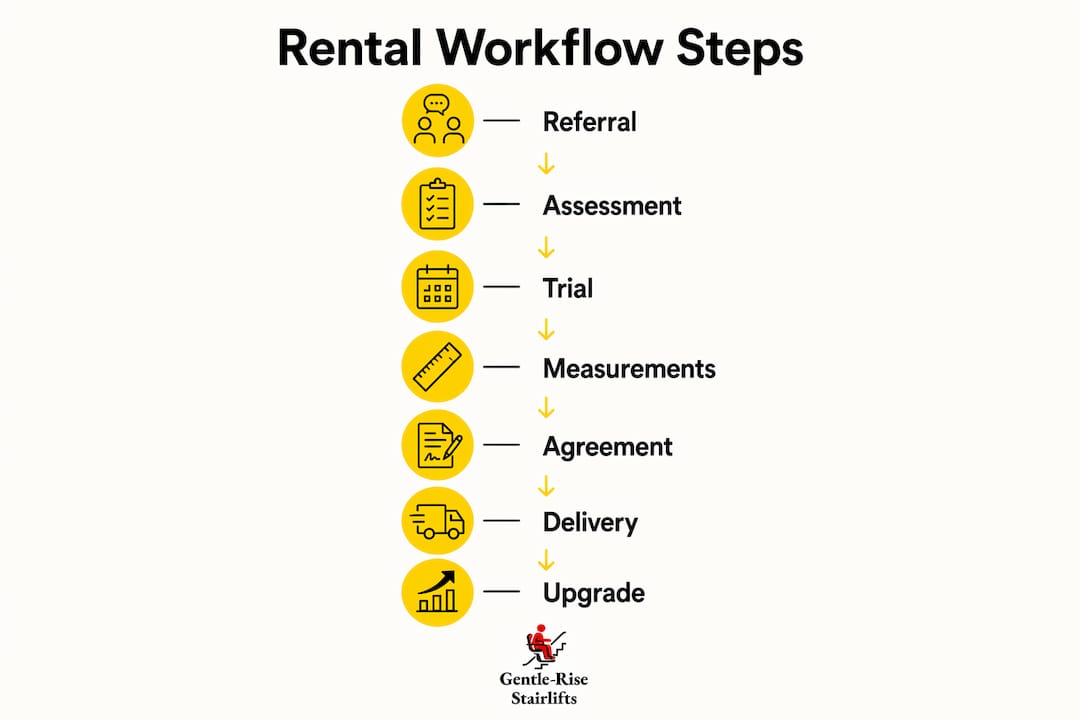
Here is what the process looks like at a glance:
- Arrange an assessment through your GP, occupational therapist, or via self-referral to your local wheelchair or community equipment service.
- Trial equipment at a Disabled Living Centre or Independent Living Centre before committing to a rental.
- Choose your route: NHS or council provision for long-term needs; private hire or charities like the British Red Cross for short-term or urgent access.
- Gather your documents and measurements (height, weight, home access details) before booking delivery.
- Sign the rental agreement, confirm insurance responsibilities, and arrange a delivery and setup appointment.
- Understand maintenance and return procedures from the outset.
Pro Tip: Ask your occupational therapist to document your functional needs in writing before you contact any rental provider. This speeds up both NHS triage and private hire assessments considerably.
What is the step-by-step workflow for renting mobility equipment?
The rental process in the UK follows a logical sequence, though the exact path depends on whether you go through the NHS, your local council, or a private provider.
Step 1: Get assessed
Start with a referral. Your GP, physiotherapist, or occupational therapist can refer you to your local wheelchair or community equipment service. NHS wheelchair services work within an 18-week assessment pathway from referral to delivery for most adult and children's equipment. If your need is urgent or short-term, that timeline makes NHS provision impractical. In those cases, move directly to private hire or a charity loan.
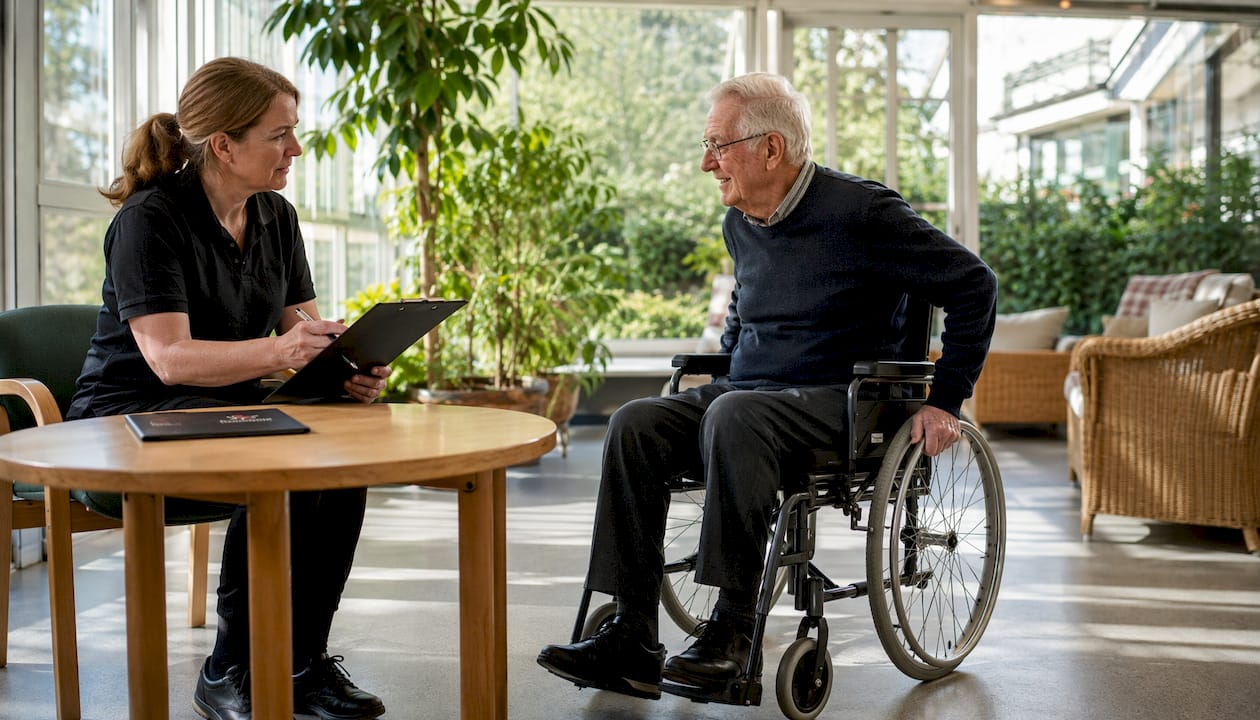
For council-funded equipment, request a free care needs assessment from your local council's social services team. In England, councils must provide equipment free of charge when an assessment confirms you need it.
Step 2: Trial before you commit
Before signing any rental agreement, trial the equipment. Disabled Living Centres and Independent Living Centres across the UK let you test mobility aids in realistic conditions, which is the most reliable way to confirm a piece of equipment actually suits your needs. If you cannot reach a centre, some providers offer home visits. This step prevents the common and expensive mistake of renting equipment that does not fit your home layout or physical requirements.
Step 3: Confirm measurements and access details
Rental providers require your exact measurements at the point of booking, typically height and weight, to dispatch the correct equipment. You should also note doorway widths, stair configurations, and floor surfaces at home. Missing or incorrect details at this stage cause delivery delays and, in some cases, the wrong equipment arriving entirely.
Step 4: Complete the rental agreement
Read the rental agreement carefully before signing. Key points to check include:
- Who is responsible for servicing and insurance during the hire period.
- Whether a deposit is required and how it is refunded.
- Delivery and collection fees, and whether these are included or charged separately.
- The process for upgrading or exchanging equipment mid-rental if your needs change.
For private rentals, check whether the hire charge covers maintenance or whether you pay separately for call-outs. If you are renting through the NHS, the equipment remains NHS property and is covered by a repair service contract throughout the loan period.
Step 5: Delivery, setup, and training
Arrange a delivery slot that allows time for proper setup and a brief training session. A good provider will demonstrate safe use, adjust the equipment to your measurements, and confirm you are comfortable operating it independently. For stairlifts and powered equipment, professional installation is not optional. For home recovery preparation, clear the access route before the delivery team arrives.
Step 6: Upgrading or exchanging during rental
If your condition changes during the rental period, contact your provider promptly. NHS services allow re-referral for review if your needs shift significantly. Private providers typically offer exchange options, though terms vary, so confirm this before signing.
Pro Tip: Keep a written record of the equipment's condition at delivery, including any existing marks or damage, and share it with the provider. This protects you when the equipment is collected.
What are the eligibility criteria, costs, and rental options?
Understanding who qualifies for what, and at what cost, is where many people get confused. The most common misconception is that all mobility equipment is free through the NHS.
NHS eligibility is based on functional need, specifically how a condition affects daily activities such as hygiene, nutrition, and safe movement at home. Not everyone qualifies, and the assessment process takes time. The 18-week pathway is standard for most adult equipment, making it unsuitable for post-operative recovery or short-term hire needs.
Here is a practical breakdown of the main routes:
- NHS provision: Free at point of use for those who meet clinical eligibility. Equipment remains NHS property. Best suited to long-term, ongoing need. Add-ons such as power packs require prior NHS approval for safety and compatibility before fitting.
- Personal Wheelchair Budget (England): Allows eligible users to put NHS funding towards a preferred wheelchair, including models outside the standard NHS range. Your local integrated care board (ICB) manages this.
- Private rental: Faster access, often next-day delivery when measurements are provided at booking. Costs vary by provider and equipment type. Deposits are usually required.
- Charity hire: The British Red Cross hires manual wheelchairs on a weekly basis at many locations across the UK. Minimum hire periods and servicing standards apply.
- Motability Scheme: Available to those receiving qualifying disability benefits, covering hire or purchase of powered wheelchairs and scooters, with insurance and maintenance included.
For council-funded equipment in Scotland and Wales, you may be asked to contribute a reasonable amount based on your finances, unlike England where eligible equipment is provided free.
Where can you trial and rent mobility equipment in the UK?
Knowing where to go is half the battle. The right starting point depends on your location, urgency, and the type of equipment you need.
Disabled Living Centres and Independent Living Centres are the gold standard for trialling equipment before rental or purchase. You can find your nearest centre through the Going for Independence network. Staff at these centres are trained to match equipment to individual needs, and visits are usually free.
British Red Cross branches hire manual wheelchairs weekly at locations across the UK, with short-term hire available without the need for an NHS assessment. Their equipment is serviced every 12 weeks and cleaned to NHS infection control standards.
Scottish Government guidance mandates clear pathways for short-term wheelchair loans through Integration Authorities, reducing the delays that historically affected this service. If you are in Scotland and need a wheelchair quickly, your Integration Authority is the right first contact.
Gentlerise Stairlifts provides stairlift rental and installation across the UK, covering straight, curved, and reconditioned models with professional fitting and ongoing support through the Protect+ maintenance programme. For anyone managing stair access during recovery or with a longer-term mobility challenge, Gentlerise Stairlifts offers a free home survey to assess your specific staircase before any commitment. Their stairlift solutions guide covers the full range of options clearly.
| Provider type | Best for | Typical access speed |
|---|---|---|
| NHS wheelchair service | Long-term clinical need | Up to 18 weeks |
| British Red Cross | Short-term manual wheelchair hire | Same week |
| Disabled Living Centre | Equipment trials before rental | Appointment-based |
| Private hire provider | Urgent or flexible short-term hire | Next day (with measurements) |
| Gentlerise Stairlifts | Stairlift rental and installation | Rapid, often within hours |
| Scottish Integration Authority | Short-term loans in Scotland | Pathway-dependent |
Pro Tip: Before contacting any provider, measure your doorway widths, staircase length, and turning space at the top and bottom of the stairs. Providers can give you a far more accurate quote and delivery estimate when you have these figures ready. For bathroom adaptations that support mobility recovery, senior bathroom safety guidance is worth reviewing alongside your rental planning.
Key takeaways
A well-managed mobility equipment rental process in the UK combines early clinical assessment, equipment trialling at a recognised centre, and clear documentation before delivery.
| Point | Details |
|---|---|
| Assessment comes first | Request a referral from your GP or occupational therapist before contacting any rental provider. |
| NHS suits long-term needs | The standard NHS assessment and delivery pathway typically involves a multi-week process, making it unsuitable for short-term recovery. |
| Trial before renting | Disabled Living Centres and Independent Living Centres let you test equipment before committing to a hire agreement. |
| Measurements prevent delays | Providers need your height, weight, and home access details at booking to deliver the correct equipment on time. |
| Know your agreement terms | Confirm who covers insurance, servicing, and collection fees before signing any rental contract. |
FAQ
How long does it take to get mobility equipment through the NHS?
The NHS works within an 18-week pathway from referral to delivery for most adult equipment. End-of-life cases are triaged as a priority.
Can I rent mobility equipment without an NHS referral?
Yes. Private hire providers and charities such as the British Red Cross offer short-term hire without requiring an NHS assessment, making them the practical choice for urgent or temporary needs.
What documents do I need to rent mobility equipment privately?
Most private providers ask for your height, weight, home access measurements, and a form of identification. Some require a deposit and a signed rental agreement confirming maintenance and insurance responsibilities.
Is mobility equipment rental covered by insurance?
NHS-loaned equipment is covered by the NHS repair service contract. For private rentals, check whether the hire charge includes insurance or whether you need a separate policy, particularly for powered equipment or scooters.
What should I do if rented equipment no longer meets my needs?
Contact your provider promptly. NHS services allow re-referral if your condition changes significantly. Private providers typically offer exchange options, though terms differ, so confirm this before you sign the original agreement.