
TL;DR:
- Booking a free home survey with an occupational-therapy-aware stairlift supplier is the best first step to assess needs and plan installation.
- Getting multiple quotes and an OT assessment ensures a cost-effective, tailored solution funded by the Disabled Facilities Grant if eligible.
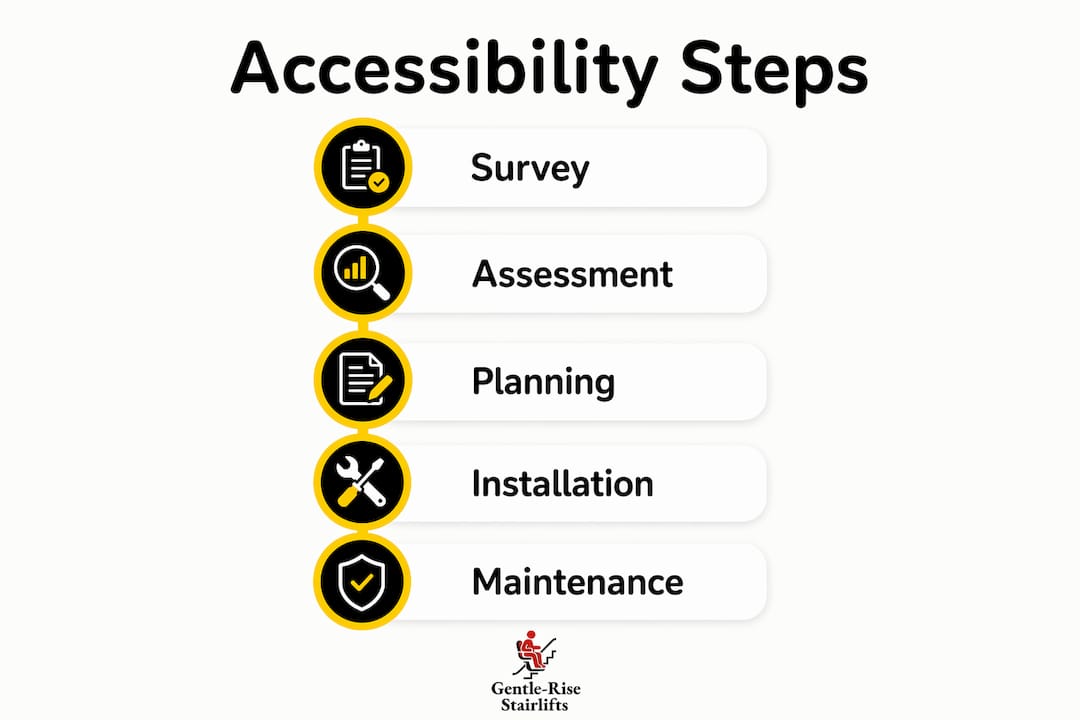
The single most effective first step you can take is booking a free home survey with an occupational-therapy-aware stairlift supplier. Gentlerise Stairlifts offers exactly that, and the survey costs you nothing while delivering a clear, personalised plan. Here is the full pathway at a glance:
- Assess your needs with a free home survey and, where helpful, an occupational therapist (OT) visit
- Gather quotes from two or three suppliers, as Which? recommends, comparing price and what each includes
- Choose your route: buy new, rent short-term, or opt for a reconditioned model
- Schedule installation, which is often completed within hours on the day
- Complete user training with your installer before they leave
- Register your aftercare plan (such as Protect+) to protect your investment long-term
Safety is built into every stage, funding help is available through the Disabled Facilities Grant (DFG), and Protect+ aftercare keeps your stairlift running reliably after installation.
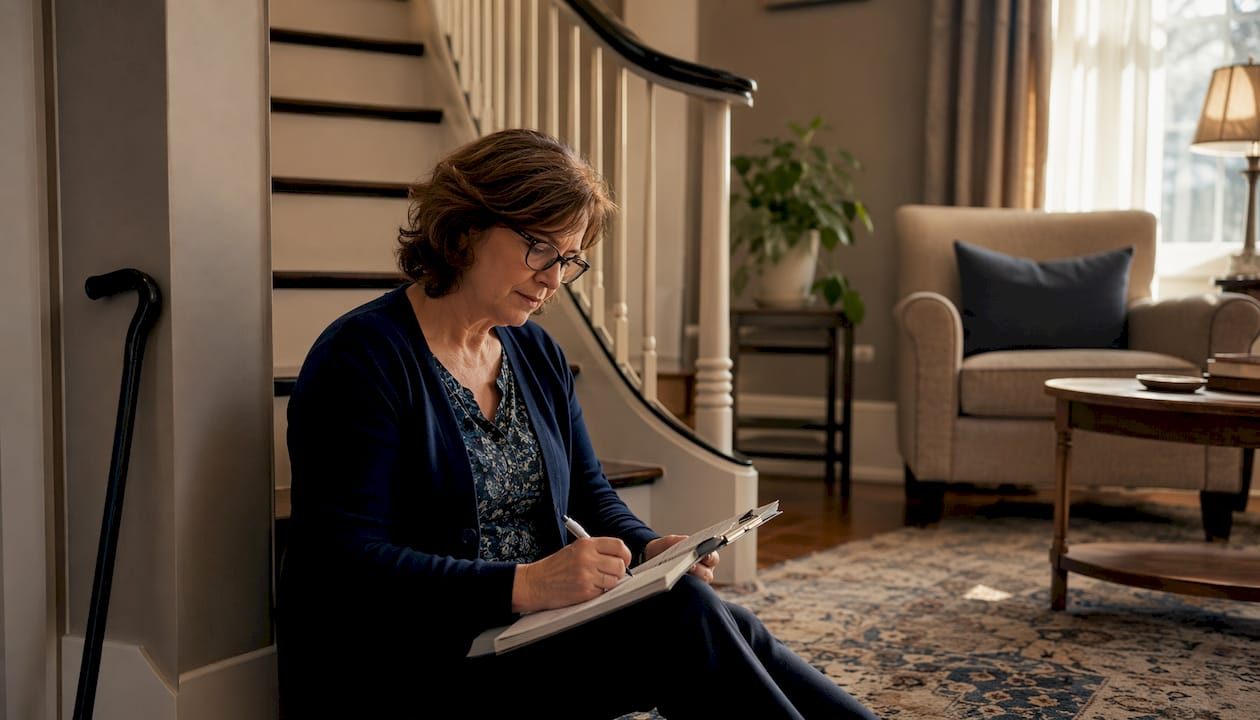
Pro Tip: Before you call anyone, jot down the three or four daily tasks on the stairs that feel hardest. That list will shape every conversation from the survey onwards.
Table of Contents
- What does a step-by-step accessibility improvement actually look like?
- What does a home assessment and OT check actually cover?
- How much does a stairlift cost and how long will it take?
- Which option suits you: new, rental, or reconditioned?
- What should you expect on installation day?
- How do you keep your stairlift safe and reliable long-term?
- Quick accessibility wins you can act on right now
- Key takeaways
- Why acting early is the kindest thing you can do
- Gentlerise Stairlifts: your next step starts with a free survey
- Useful sources
- FAQ
What does a step-by-step accessibility improvement actually look like?
A structured, numbered roadmap prevents costly mistakes and missed funding opportunities. Follow these steps in order.
- Initial enquiry. Contact Gentlerise Stairlifts to book a free home survey. Confirm your stair type (straight or curved) and whether you rent or own your home, as tenants need landlord permission before any physical adaptation.
- Free home survey. A surveyor visits and checks stair geometry, landing clearances, power socket proximity, floor strength at rail fixings, and any obstructions. This usually takes 20–45 minutes.
- OT discussion (if needed). An OT assessment is free through your council and is the gateway to DFG funding. Request one early; waiting lists vary by area.
- Obtain two or three quotes. Ask each supplier to itemise ancillary works such as socket installation or skirting adjustments separately so you can compare like for like.
- Choose your option. Purchase new, rent short-term, or buy reconditioned. See Section 5 for the decision criteria.
- Schedule installation. Confirm a date, clear the staircase, and arrange power access.
- User training. Your installer should demonstrate the seat swivel, controls, safety cut-outs, and emergency lowering before leaving.
- Register aftercare. Sign up for a service plan such as Protect+ and keep all paperwork for any DFG audit.
Pro Tip: Ask your surveyor three specific questions: Is there a power socket within two metres of the rail end? Is the landing wide enough for the seat to swivel fully? Will any skirting or bannister work be charged separately? These three questions prevent surprise costs.
What does a home assessment and OT check actually cover?
The OT visits your home, asks questions about your daily routine, and observes how your condition affects movement, safety, and independence. Assessments typically take at least an hour. The physical checks include:
- Mobility and balance evaluation
- Swivel ability and knee-to-back measurement to determine seat height and footrest clearance
- Stair geometry: tread depth, riser height, pitch, and width
- Top and bottom landing clearances for safe mounting and dismounting
- Proximity of power sockets and floor strength at proposed rail fixings
To prepare, note every daily difficulty on the stairs, however minor. The OT's report is the key document for a DFG application, so transparency about small struggles directly influences your eligibility. Bring a friend or advocate, and have proof of tenure and any recent medical letters to hand.
Pro Tip: If you disagree with the OT's recommendations, you can formally challenge them through your local council. Ask for the process in writing at the end of the appointment.
How much does a stairlift cost and how long will it take?
Cost depends on several factors: stair type, bespoke rail work, minor electrical or carpentry needs, access constraints, and whether you choose a new, reconditioned, or rental unit. Straight stairlifts start from £795, making them the most affordable entry point. Curved staircases require custom-manufactured rails and cost considerably more.
Qualifying adaptations are generally zero-rated for VAT, so confirm this with your supplier before signing. For larger projects, the DFG covers stairlifts up to the typical statutory maximum amounts in England and Wales. Councils have a legal duty to decide within six months of receiving a valid application. Your local Home Improvement Agency can help you find approved contractors and navigate the application.
| Item | Detail |
|---|---|
| Straight stairlift starting price | From £795 (publisher-provided example) |
| DFG maximum (England) | Up to £30,000 |
| DFG maximum (Wales) | Up to £36,000 |
| VAT on qualifying adaptations | Zero-rated |
| Council decision deadline | Within 6 months of valid application |
| Typical installation time | Often within hours on install day |
Free surveys are usually arranged within days of your enquiry. Installation itself is often completed within hours once the rail and unit arrive.
Which option suits you: new, rental, or reconditioned?
Each route serves a different situation, and choosing the wrong one costs money unnecessarily.
- Buy new. Best for long-term or progressive mobility needs. You own the unit, choose your specification, and benefit from a full manufacturer warranty. The higher upfront cost is offset by no ongoing rental fees.
- Short-term rental. Ideal after surgery or during a temporary recovery period. You pay a monthly rate and return the unit when you no longer need it. Work out the break-even point: rental rate × expected months versus the purchase price plus a service contract. If recovery extends beyond that point, switching to purchase is worth considering.
- Reconditioned. A cost-conscious and environmentally responsible choice for long-term use. Units are refurbished, tested, and certified before sale. Check the service history, ask what components were replaced, and confirm the warranty period.
Pro Tip: For a reconditioned unit, ask specifically whether the battery, drive belt, and safety sensors have been replaced or tested to the manufacturer's specification. These are the components most likely to cause early faults.
What should you expect on installation day?
Preparation makes the difference between a smooth morning and an avoidable delay. Before the installer arrives, managing storage and clear access on the staircase is worth doing the day before.
Pre-installation checklist:
- Clear the full staircase of rugs, ornaments, and furniture
- Ensure a power socket is accessible near the rail end
- Contain pets and arrange for any vulnerable household members to be elsewhere during fitting
- Have your paperwork, warranty documents, and service plan details ready to sign
On the day, the installer will:
- Fit the rail, then attach the seat and drive unit
- Run safety checks on cut-outs, the swivel seat, and the remote controls
- Demonstrate the full operation to you and any carer present
- Explain emergency lowering and what to do if the unit stops mid-stair
- Tidy up and remove packaging before leaving
Minor ancillary works such as socket relocation or skirting trimming may add a small amount of time. Confirm in advance whether these are included in your quote.
How do you keep your stairlift safe and reliable long-term?
An annual service is the minimum you should plan for. A good aftercare plan goes further. When choosing a service contract, check for:
- Annual safety inspections and lubrication
- Priority call-out response times
- Parts and labour included (not just parts)
- Battery replacement schedule
- Loan equipment availability during extended repairs
Gentlerise Stairlifts' Protect+ programme is designed around these priorities, offering predictable costs and faster repairs that also protect the unit's resale or reconditioning value. Register your installation with your supplier on the day and keep all service records. If your stairlift was funded through a DFG, those records may be required for audit purposes.
Pro Tip: Set a calendar reminder for your annual service date. A missed service can void warranty cover and, more importantly, leave a safety fault undetected.
Quick accessibility wins you can act on right now
While the stairlift process is underway, several low-cost changes reduce risk immediately. These stairway adaptations are worth doing regardless of what comes next:
- Improve stair lighting with brighter bulbs or motion-sensor strips
- Add non-slip nosing to step edges
- Fit grab rails at the top and bottom landings
- Declutter landings completely
- Reposition or remove loose rugs near the stairs
- Add colour contrast tape to step edges for visibility
Proactive retrofitting while mobility is still relatively stable spreads cost over time and avoids crisis-driven decisions. Adaptations costing under £1,000 are often covered directly by your housing provider without a full DFG application. Ask your local council or OT which of these smaller fixes qualify in your area. For a broader plan, the room-by-room accessibility guide from Gentlerise Stairlifts covers the whole home, not just the stairs.
Key takeaways
A structured, assessment-led approach to home accessibility, starting with a free survey and an OT report, is the fastest and most cost-effective route to a safe stairlift installation in the UK.
| Point | Details |
|---|---|
| Start with a free survey | Book a no-cost home survey to get a personalised plan before committing to any purchase. |
| Get two or three quotes | Which? recommends comparing multiple suppliers, including ancillary works in each quote. |
| DFG can fund up to £30,000 | In England, the Disabled Facilities Grant covers stairlifts; councils must decide within six months. |
| Act before a crisis | Proactive retrofitting reduces rushed decisions and spreads cost over time. |
| Gentlerise Stairlifts | Offers sales, rental, and reconditioned stairlifts from £795, with Protect+ aftercare and free home surveys across the UK. |
Why acting early is the kindest thing you can do
Most families wait too long. A fall, a hospital discharge, or a sudden decline in mobility forces a rushed decision under pressure, and rushed decisions in this space tend to be expensive and poorly matched to the person's actual needs.
The step-by-step approach this article outlines exists precisely to prevent that. An OT assessment taken early, before things become urgent, gives you time to compare options, apply for funding, and choose a stairlift that genuinely fits the user rather than the one that can be installed fastest. The Protect+ aftercare model reflects the same logic: small, predictable costs now prevent large, stressful repair bills later.
Dignity matters here too. A well-fitted stairlift, properly demonstrated and supported by an ongoing service plan, restores confidence on the stairs rather than simply solving a mechanical problem. Gentlerise Stairlifts' range, from reconditioned units at accessible price points to new curved models with full aftercare, means there is a practical option for most budgets without compromising on safety.
Gentlerise Stairlifts: your next step starts with a free survey
Straight stairlifts from £795 with free installation surveys and Protect+ aftercare included as an option. Gentlerise Stairlifts covers sales, rental, and reconditioned stairlifts across the UK, with occupational-therapy-aware assessments and installation often completed within hours.
Gather your proof of tenure, any recent medical letters, and a note of your daily stair difficulties before the survey. That preparation speeds up any DFG application significantly. To book your free home survey and get a clear, no-obligation plan, visit the Gentlerise Stairlifts booking page today.
Useful sources
- NHS: Home adaptations — explains the OT assessment process and VAT exemption; useful from Step 3 onwards.
- GOV.UK: Disabled Facilities Grants — official DFG eligibility, maxima, and the six-month decision rule; essential before submitting an application.
- Which?: Buying and installing a stairlift — independent guidance on getting multiple quotes and what a survey should cover; use when comparing suppliers.
- Gentlerise Stairlifts: understanding stairlift solutions — product types, installation considerations, and service options; use when deciding between straight, curved, and reconditioned models.
Which? recommends requesting two or three quotes before committing. Use these sources alongside your free Gentlerise Stairlifts survey for a fully informed decision.
FAQ
Most straight stairlift installations are completed within a few hours on the day. Curved staircases require custom-manufactured rails, which adds lead time before the installation appointment.
Can I get a stairlift funded through the council?
Yes. The Disabled Facilities Grant covers stairlifts in England up to £30,000 and in Wales up to £36,000. An OT assessment is required, and councils must decide within six months of a valid application.
Do I need an occupational therapist before getting a stairlift?
An OT assessment is not always legally required for a private purchase, but it is essential for DFG funding and helps ensure the equipment is correctly matched to your mobility needs.
What does the Gentlerise Stairlifts Protect+ plan cover?
Protect+ is an aftercare programme covering scheduled servicing, priority call-outs, and ongoing safety checks to keep your stairlift running reliably and protect its long-term value.
Is VAT charged on stairlift installation?
Qualifying home adaptations that improve accessibility are generally zero-rated for VAT. Confirm this with your supplier before signing any contract, and check that it is reflected in your written quote.