
Renting a straight stairlift in the UK typically involves an installation fee paid upfront, plus a monthly rental charge that varies with providers. Curved stairlifts are rarely available to rent at all, because their rails are custom built for your staircase and can't be reused elsewhere, so most curved cases end up as a bespoke purchase instead. If you're disabled and meet HMRC's criteria under Notice 701/7, both the rental fee and the installation charge can be zero-rated for VAT, effectively saving you a fifth of the total cost.
So, what's the quick verdict?
- Renting suits short recovery periods, or anyone waiting on a Disabled Facilities Grant decision.
- Buying tends to work out cheaper if you know you'll need the lift for more than a year or two.
Key Takeaways
Renting a straight stairlift in the UK costs roughly £300 to £1,000 upfront plus £40 to £80 monthly, with VAT relief able to remove 20% of that total for eligible customers.
| Point | Details |
|---|---|
| Upfront and monthly costs | Expect £300 to £1,000 installation plus £40 to £80 a month for a straight stairlift rental. |
| Curved rentals are rare | Bespoke curved rails push most curved cases towards a purchase rather than a rental agreement. |
| VAT relief cuts costs | Eligible disabled customers can zero-rate rental, installation, and servicing under HMRC Notice 701/7. |
| Break-even favours buying long-term | Purchase typically becomes cheaper than rental around the 18 to 24 month mark. |
| Gentlerise Stairlifts covers both routes | Straight stairlifts start from £795, with Protect+ aftercare and flexible short-term rental options available. |
Table of Contents
- How much does stairlift rental cost in the UK?
- What affects the price you're quoted?
- Does VAT relief actually reduce your rental cost?
- What should you check in a rental contract?
- Is it cheaper to rent or buy a stairlift?
- Getting a quote: what suppliers need from you
- Why Gentlerise Stairlifts fits short and long-term needs
- Sources
- FAQ
How much does stairlift rental cost in the UK?
The two numbers that matter are the installation fee and the recurring rental charge, and both vary more than most quotes let on.
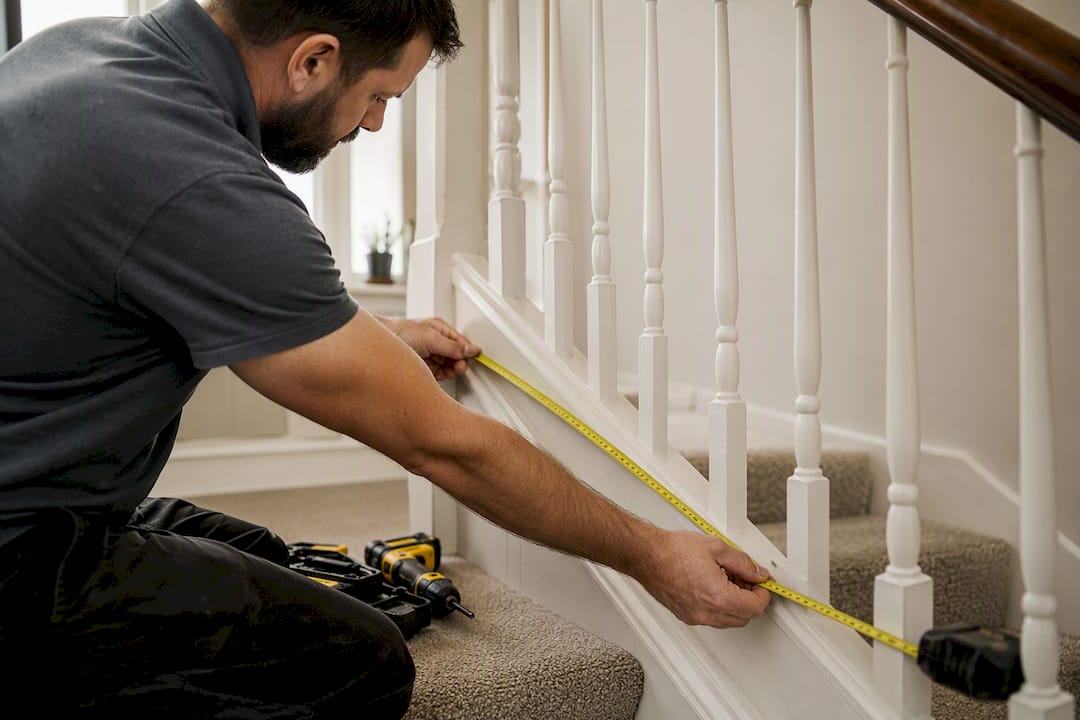
Installation fees usually sit between £300 and £1,000, though some providers push past £1,000 for trickier staircases. This fee typically covers the initial survey, the physical fitting of the rail and chair, and removal once your rental ends. It's a one-off cost regardless of whether you rent for three months or three years, which is exactly why the maths changes so much depending on your timeframe.
Monthly costs for straight stairlifts commonly range from £40 to £80, though you'll also see providers quote weekly rates of £10 to £20 a week, which works out to roughly the same figure over a month. Lower-priced deals tend to come with older or reconditioned units and less generous servicing; higher prices usually mean newer equipment and a fuller aftercare package.
Curved stairlifts almost never appear on rental price lists. The rail has to be measured and manufactured specifically for the twists and turns of your staircase, and once it's cut to that shape, it can't easily go into someone else's home. Where a supplier does offer curved rental, expect the upfront cost to sit close to purchase-level pricing, which usually starts from around £5,000 for a new unit.
Here's how the costs generally accumulate over common rental periods, based on example installation fees and monthly rents: for short periods, the initial fee comprises a larger portion of total cost, which decreases on a per-month basis over longer rentals.
A quick statistic worth flagging: industry pricing pages consistently show that the monthly rate barely moves once you get past three months, which means the installation fee does the heavy lifting in short rentals but fades in significance the longer you keep the lift.
That last point is worth sitting with for a moment. Someone renting for three months pays roughly £260 a month once you average in the installation fee. Someone renting for a year pays closer to £110 a month once averaged the same way. The lift itself hasn't got any cheaper. You've simply spread a fixed cost over more time.
What affects the price you're quoted?
No two staircases are priced the same, and understanding why helps you challenge a quote that seems out of line.
- Staircase shape is the biggest driver. Straight stairs use standardised, reusable rail sections, which keeps rental viable. Curved or split-level stairs need bespoke rails, which pushes cost towards a purchase.
- Narrow stairs, half-landings, or doors that open across the stairwell can add fitting complexity, sometimes requiring extra bracketing or minor structural adjustment.
- New versus reconditioned units offer a genuine trade-off: reconditioned stairlifts cost less to rent but may carry more wear, while new units cost more but typically come with longer warranty cover and fewer callouts.
- Servicing frequency, battery replacement, and travel charges for rural or remote addresses can all appear as separate line items, so ask whether they're bundled into your monthly fee or billed separately.
Pro Tip: Ask every supplier for a written breakdown of what's included in the monthly fee before you compare prices. A £45 quote with extra callout charges can end up costing more than a £65 quote that includes everything.
Does VAT relief actually reduce your rental cost?
Yes, and for eligible customers, it's the single biggest lever on your total spend. Under HMRC Notice 701/7, the hire, installation, and maintenance of a qualifying stairlift can be zero-rated for VAT when supplied to someone who is chronically sick or disabled.
Stairlifts appear on GOV.UK's list of specialist equipment eligible for this relief, alongside other disability aids where VAT relief applies to goods designed solely for disabled use. Many customers, and even some smaller suppliers, don't realise the relief extends to rental payments as well as purchases.
To claim it, you don't need a doctor's letter or a formal certificate in most cases. You simply declare, in writing to the supplier, that you meet the eligibility criteria, and the supplier applies the zero rate at the point of invoicing. Keep a copy of that declaration for your own records.
If you're waiting on a Disabled Facilities Grant to fund a permanent installation, renting in the meantime is often the sensible stop-gap. Grant approval can take months, and a rented stairlift means you're not stuck at the bottom of the stairs while the paperwork moves through your local council.
One detail that catches tenants out: VAT eligibility is about your health, not your home ownership. You can rent a stairlift and claim the relief as a tenant, provided your landlord has given written permission for the installation. That permission is a separate hurdle from the VAT question entirely, so tackle both early.
What should you check in a rental contract?
The headline price is only part of the story. The terms underneath it decide whether you save money or lose it.
- Minimum contract length. Most rentals start at a three-month minimum, and some suppliers reduce or refund part of the installation fee if you extend beyond twelve months.
- Cancellation notice. Check how much notice you need to give before removal, and whether any deposit is refundable in full.
- What "servicing included" really covers. It usually means routine maintenance visits, but battery replacement and accidental damage are often excluded unless you've added cover.
- Removal responsibility. Confirm who pays to take the lift out and make good the staircase once your rental ends.
Two questions to ask every supplier before signing:
- Is the installation fee refundable, and after how many months does that kick in?
- Who's liable if the fitting damages the staircase or bannister?
Is it cheaper to rent or buy a stairlift?
Work out your break-even point with one simple sum: installation fee plus (monthly rent multiplied by the number of months you expect to need it), compared against the purchase price plus expected servicing.
Using the £600 installation and £60 monthly figures from earlier, a straight stairlift purchase starting around £2,000 typically becomes cheaper than renting somewhere between month 18 and month 24, once you factor in that owned units still need occasional servicing.
Three scenarios make this concrete:
- Six months post-surgery recovery: Renting costs roughly £960 total. Buying would tie up £2,000+ for a temporary need, so renting wins clearly.
- Two years of recuperation with an uncertain end date: Rental costs climb past £1,800, edging close to purchase territory, so it's worth getting a purchase quote alongside your rental one.
- Permanent mobility need: Buying almost always wins here, since you avoid open-ended monthly payments and gain a warranty, which rental agreements don't typically offer.
Beyond the raw numbers, think about whether you're planning to sell the house soon (rental avoids leaving a fitted lift behind), and whether ongoing servicing peace of mind matters more to you than short-term cost.
Getting a quote: what suppliers need from you
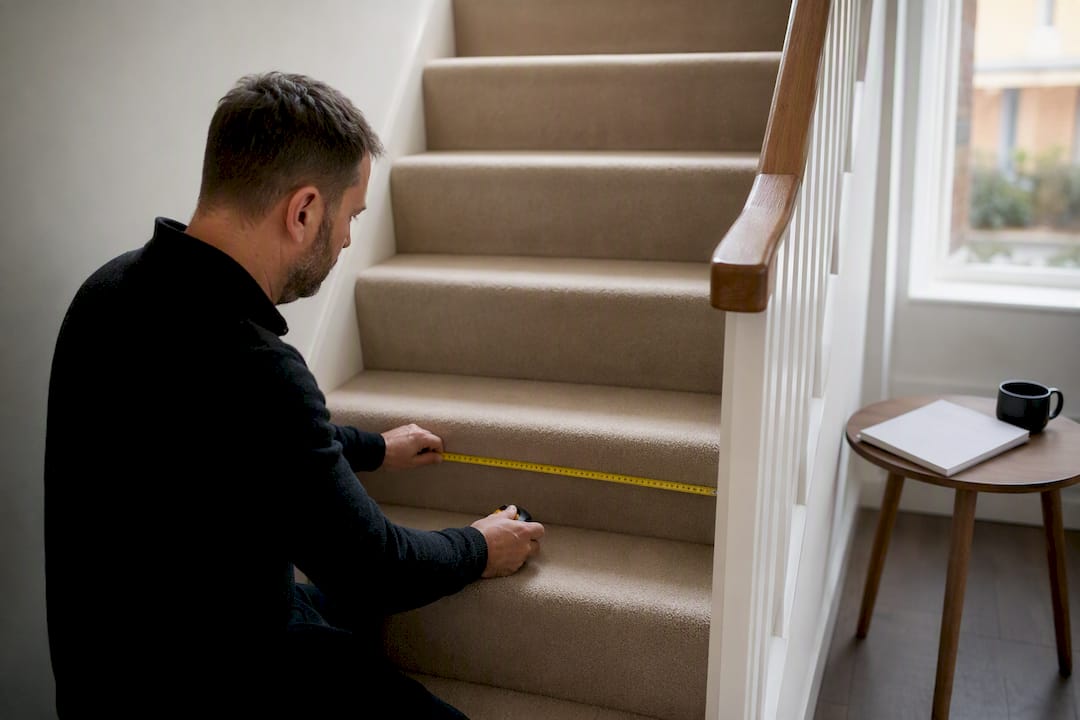
Before contacting a supplier, gather a few basics: the number of steps, whether your staircase is straight or curved, the width of the narrowest point, and any doors or landings along the route. A few clear photographs speed things up considerably, and it helps to have a rough idea of your expected timeframe, whether that's a few months of recovery or a longer-term need.
When you speak to suppliers, ask directly about VAT zero-rating eligibility, what their servicing actually includes, how quickly they respond to repair callouts, and whether they offer an ongoing aftercare plan such as Protect+. A proper in-person survey still beats any phone estimate, because it catches awkward landings or narrow turns that photos alone can miss. Most straight stairlift installations, once agreed, can be completed within hours rather than days.
Why Gentlerise Stairlifts fits short and long-term needs
Whether you need a stairlift for six weeks of recovery or six years of daily independence, Gentlerise Stairlifts covers both ends without pushing you towards a single fixed package. Straight stairlift prices start from £795, installation is often completed within hours of your survey, and every rental agreement is backed by our Protect+ aftercare programme, covering routine servicing so you're not left guessing about what's included.
We also handle reconditioned units for anyone weighing up cost against reliability, and curved installations for staircases that genuinely need a bespoke rail rather than a rental fit. If you're currently waiting on a Disabled Facilities Grant, our team can talk you through whether a short-term rental makes more sense than an immediate purchase, and we'll flag VAT zero-rating eligibility during your free home survey rather than leaving you to work it out afterwards. Book that free home survey today, and you'll have a clear, itemised quote in hand before you commit to anything.
Sources
FAQ
How much does it cost to rent a stairlift in the UK?
Expect an upfront installation fee of roughly £300 to £1,000, plus a monthly rental charge of around £40 to £80 for a straight stairlift.
Is it cheaper to rent or buy a stairlift?
Renting is usually cheaper for needs under a year or so; buying tends to become the better value option once you pass the 18 to 24 month mark, based on typical purchase prices from around £2,000.
Can elderly people get a free stairlift in the UK?
Not typically for free, but a Disabled Facilities Grant can cover installation costs for eligible applicants, and renting is a practical stop-gap while that application is processed.
What are typical rental prices for straight stairlifts?
Most UK suppliers quote between £40 and £80 a month for straight stairlift rentals, alongside an upfront installation fee that Gentlerise Stairlifts prices from £795 for a straight purchase.