
Removing a straight stairlift typically costs between £100 and £250, while curved models run £200 to £400 or more, according to StairliftCosts. If the lift is under roughly five years old and still working, buy-back schemes can make removal free and pay you between £100 and £500. Get a valuation before booking anything.
TL;DR:
- Buy-back schemes make removing a working stairlift under five years old potentially free and can pay owners up to £700 for desirable straight units.
- The typical removal cost ranges from £100 to £250 for straight lifts and up to £400 or more for curved models, depending on rail type, floors spanned, and disposal requirements.
- Professionals usually take one to three hours to remove a straight lift, while curved rails require longer and often two engineers, so booking in advance is essential.
- Most working straight lifts are refurbished and resold, while older or faulty units are stripped for parts and recycled responsibly; curved rails rarely find second life.
- Always obtain a valuation before requesting quotes, as buy-back potential can significantly reduce or eliminate removal costs for eligible units.
Table of Contents
- How does professional stairlift removal actually work?
- What's the typical stairlift removal cost in the UK?
- Can you get free stairlift removal or even get paid?
- How long does removal take, and when should you book it?
- What happens to a stairlift after it's removed?
- How do you choose a reliable removal provider?
- What we've seen removing stairlifts across the UK
- Why buy-back eligibility is the detail most guides bury
- Thinking about removal, replacement or a survey?
- Sources
- FAQ
How does professional stairlift removal actually work?
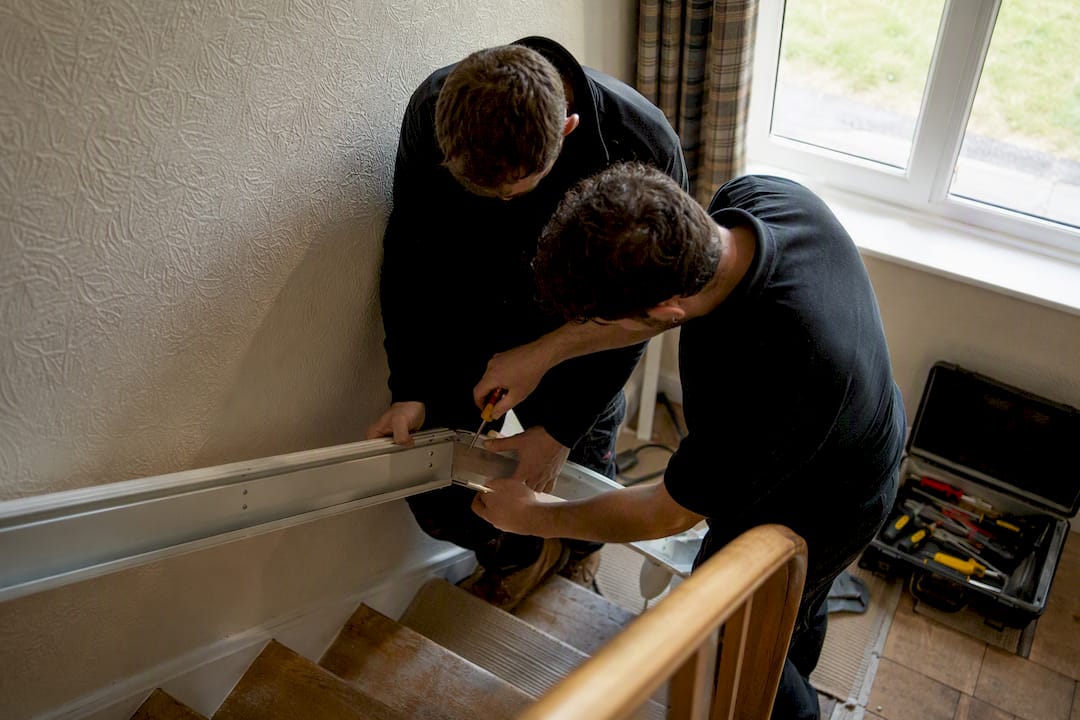
A stairlift removal is not a case of unscrewing a chair and dragging a rail off the wall. Engineers isolate the mains power first, disconnect the carriage and battery packs, then unbolt the rail in sections so it can be carried down safely without scoring the staircase or the walls.
The job usually follows this sequence:
- Power isolation — the engineer disconnects the mains supply feeding the lift before touching any components.
- Carriage removal — the seat, footplate and drive unit come off the rail first, since they're the heaviest single piece.
- Rail dismantling — the rail is unbolted in sections (curved rails come apart at the joints) and carried out, usually needing two people for anything longer than a straight flight.
- Site check and clearance — fixing holes are inspected, debris cleared, and the unit is either boxed for resale or taken for recycling.
Four types of provider handle this work: the original installer, an independent stairlift engineer, a buy-back firm, or a rental provider if the lift was never owned outright. Rented units are the rental company's responsibility under the agreement, so check that paperwork before calling anyone else.
You're paying for more than muscle. These units are heavy, mains-wired, and often need two engineers to move safely, which is exactly why DIY removal so rarely makes sense financially or physically.
What's the typical stairlift removal cost in the UK?
Straight stairlift removal generally sits between £100 and £250, and curved removal between £200 and £400 or more, per StairliftCosts. Checkatrade publishes slightly lower ballpark averages, around £100 to £150 for straight lifts and £150 to £300 for curved ones, which gives you a useful second benchmark when comparing quotes. Some manufacturer or dealer removal services quote as high as £450 including VAT for specialist models, so it pays to shop around rather than accept the first figure a fitter gives you.
A handful of factors move the price:
- Rail type. Curved rails are custom bent to the staircase, come apart in more sections, and often need two engineers rather than one.
- Number of floors. A lift spanning three storeys naturally takes longer to dismantle than a single straight flight.
- Making-good requirements. Most jobs need very little repair work, but exposed brackets on bare stairs or awkward turns can add time.
- Local labour rates and travel. A London-based engineer covering a rural job adds callout time that regional firms based nearer the property don't.
- Disposal. Whether the old unit is taken away for scrap, recycling or resale affects the final invoice.
Picture two jobs side by side. A straight lift on carpeted stairs with an engineer already in the area might take an hour and land at the lower end of the range. A curved rail across two floors, requiring two engineers and a bit of making-good around worn fixing points, will sit nearer £400. Neither figure is unusual, and both are worth getting quoted properly before you commit. If you're weighing removal against replacing with a curved stairlift, it's worth reading up on what drives those installation costs too, since the same rail complexity applies both ways.
Can you get free stairlift removal or even get paid?
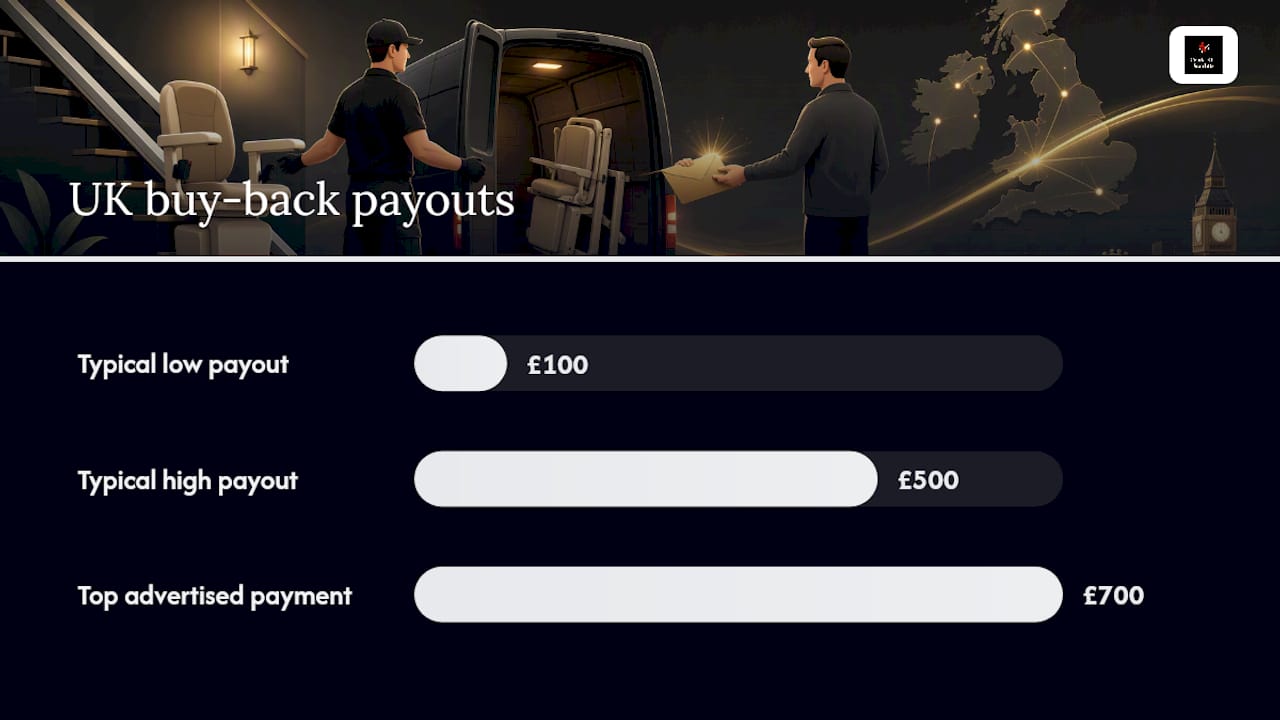
Buy-back schemes exist precisely because a working stairlift has resale value, and many UK specialists will collect a unit free of charge and pay you for it. Typical payouts sit between £100 and £500, according to StairliftGuru, with the exact figure depending on the brand, age and how much demand there is for that model on the secondhand market. One trade buyer, StairliftsWarehouse, advertises payments as high as £700 for particularly desirable units, though anything past seven years old tends to have little resale value left and will more likely attract a standard removal fee instead.
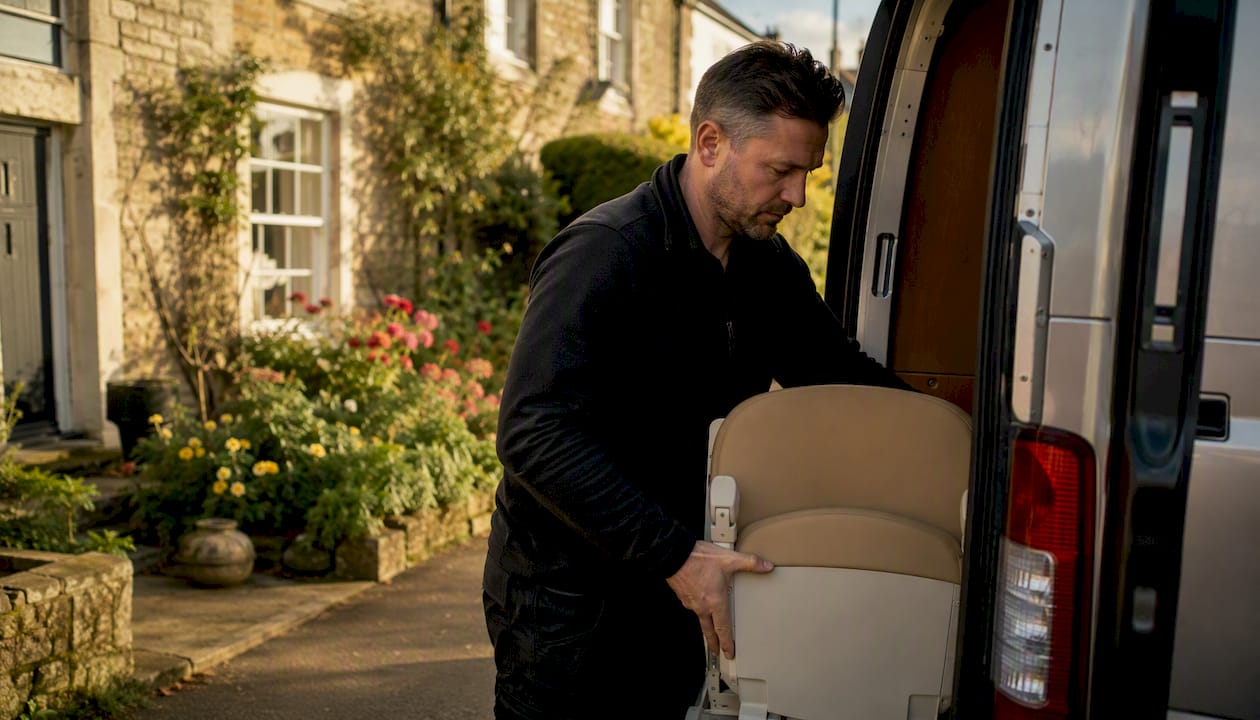
Curved lifts rarely qualify for buy-back. The rail is bent to fit one specific staircase, so it has almost no resale value to anyone else, and buyers focus almost entirely on straight units.
Before you accept an offer, ask for:
- A written valuation, not a verbal estimate over the phone.
- Confirmation of the model, age and condition they've assessed it against.
- Evidence they'll actually collect the unit, rather than asking you to arrange transport yourself.
Pro Tip: Photograph the serial number plate, measure the rail length, and note the installation date before calling anyone for a valuation. Those three details speed up the process and stop a buyer lowballing you on guesswork.
Treat contradictory value claims or a refusal to give a firm collection date as red flags. Read more on how stairlift buy-back valuations are calculated before you commit to a paid removal you might not need.
How long does removal take, and when should you book it?
Straight stairlift removal typically takes one to three hours, according to StairliftGuru, while curved lifts take longer and often need two engineers working through separate rail sections. If you're preparing for viewings or a completion date, book the removal at least a week ahead so it doesn't clash with either.
On the day, expect a quick survey confirmation, the engineer's arrival within the agreed window, the removal itself, and paperwork confirming disposal or buy-back terms. Coordinate the date with your estate agent if the sale timeline is tight.
What happens to a stairlift after it's removed?
Working straight lifts under about five to ten years old usually go into refurbishment and resale, since parts and labour on a reconditioned unit still make financial sense for a buyer. Older or faulty units are more often stripped for parts, with the rest recycled responsibly.
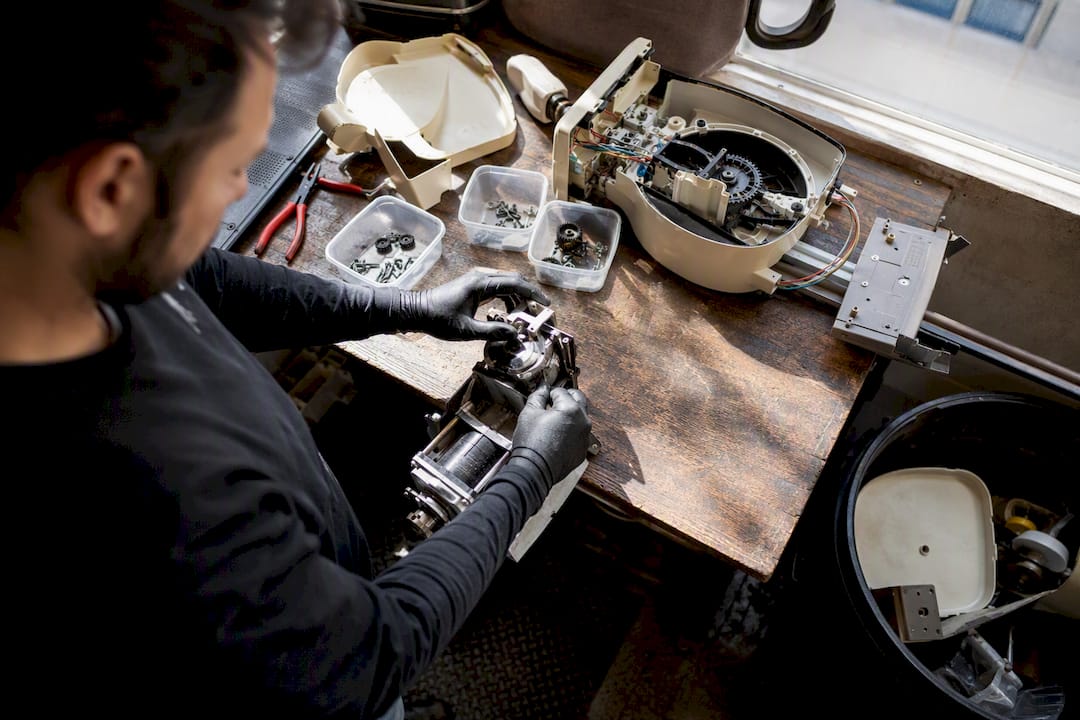
Curved rails rarely get a second life beyond parts, given how bespoke each one is to its original staircase. If a firm charges you a disposal fee, ask for evidence the unit is being recycled or refurbished rather than simply skipped, particularly given the electronics and lead-acid batteries most stairlifts contain.
How do you choose a reliable removal provider?
Get more than one quote, and treat that as non-negotiable rather than a nice-to-have. Ask each provider for the same things so the quotes are actually comparable:
- A full price breakdown covering labour, collection and disposal.
- Confirmation of public liability insurance and, ideally, sight of the certificate.
- A clear timescale for the job and confirmed collection date.
- Whether they'll value the unit for buy-back before quoting a removal fee.
Pro Tip: Ask for a valuation first, every time. If the unit qualifies for buy-back, choose the buyer offering the best combination of price and collection date. If it doesn't, move straight to an insured engineer with disposal terms confirmed in writing.
Watch for firms that won't give a trading address, insist on cash-only payment, or refuse to put insurance details in writing. Genuine providers won't flinch at any of these requests. If you're replacing rather than simply removing, it's worth reading about reliable stairlift options before the old unit even comes out, so you're not paying for two separate site visits.
What we've seen removing stairlifts across the UK
Gentlerise Stairlifts specialises in installation, rental and refurbishment, with new straight lifts starting from £795 and Protect+ aftercare available on every fit. That vantage point across installs and removals alike shows some consistent patterns.
Making-good is minimal in the vast majority of carpeted-stair removals, since rails bolt into the treads rather than the walls, and the small fixing holes disappear under carpet or a runner almost immediately. The most common mistake we see is homeowners booking paid removal without asking for a valuation first, missing out on free collection and, often, a payment they didn't know was on the table.
Why buy-back eligibility is the detail most guides bury
Most cost guides lead with the removal fee and treat buy-back as a footnote. That's backwards. If your lift is under ten years old, working, and a recognised brand, the valuation question should come before you ring anyone about a paid removal service.
The conventional advice, "get a few quotes for removal," is fine but incomplete. It assumes removal will cost you money, when for a huge number of straight-lift owners it shouldn't. Curved lift owners are the exception, and they should plan for a genuine cost rather than hope for a buy-back that almost never materialises given how bespoke curved rails are.
If there's one thing to prioritise, it's sequencing: valuation first, quotes second, booking third. You might also consider how to layer your staircase wall lighting for safety and style after removal to enhance your stairwell's look and functionality. Skip step one and you'll never know what you left on the table. This isn't really a story about removal costs at all. It's a story about who asks the right question before they pick up the phone.
— lee
Thinking about removal, replacement or a survey?
If you're weighing up removal against simply upgrading, Gentlerise Stairlifts offers something most independent removal firms can't: a free home survey and valuation in the same visit, so you find out what your old lift is worth before deciding whether removal should cost you anything at all.

Our insured engineers handle collection, refurbishment and recycling responsibly, and if you need a replacement afterwards, straight lifts start from £795 with the Protect+ aftercare plan covering servicing and breakdowns. Reconditioned models and short-term rentals are also available if a family member only needs support for a few weeks. Coverage runs nationwide with fast turnaround, often within hours of the initial survey.
Book a free home survey with Gentlerise Stairlifts, or explore understanding your stairlift options before you commit to a removal date.
Sources
FAQ
Is it difficult to remove a stairlift?
Not for a professional. It typically takes one to three hours for a straight lift, though curved rails take longer and often need two engineers.
What can I do with an unwanted stairlift?
Working straight lifts under around five to ten years old are usually refurbished and resold; older or faulty units are typically stripped for parts and recycled responsibly.
Who buys stairlifts back?
Original installers, independent engineers and dedicated buy-back firms, including Gentlerise Stairlifts, all offer valuations for working straight lifts, though curved rails rarely qualify given how bespoke they are.
How much is a used stairlift worth?
Most buy-back payouts sit between £100 and £500 depending on brand, age and condition, though some buyers pay up to £700 for particularly sought-after models under about five years old.